
Exploring the Continued Use of Vintage Audio Software in Modern Music Production
By Sophie Andersen · · 4 min read
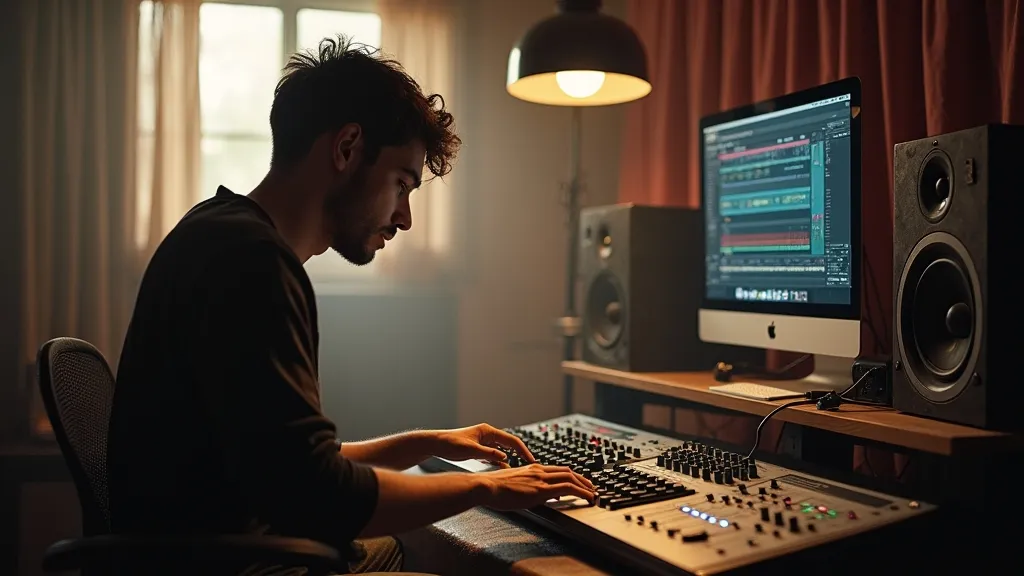
In the rapidly evolving landscape of music production, one might assume that outdated technologies would fade into obscurity. However, a surprising number of producers and musicians are still leveraging vintage audio software, which can be traced back to the dawn of digital music creation. This article delves into who is using these time-honored tools and why they remain relevant in today’s industry.
The Legacy of Early Digital Audio Workstations
The late 20th century witnessed the birth of digital audio workstations (DAWs), which revolutionized music production. Software like Pro Tools, Cubase, and Logic Pro emerged, shaping how music was recorded, edited, and mixed. Yet, some older software programs, such as Sound Designer II and Samplitude, continue to find a niche audience.
Why Vintage Software Still Matters
Musicians and producers often have a love affair with the sound and functionalities of older software. Here are a few reasons why vintage audio software maintains its appeal:
-
Unique Character: Many older DAWs are known for their distinctive sound qualities. Users claim that these programs provide a warmth and richness that newer technologies sometimes lack. This color can be particularly appealing for genres like lo-fi, hip-hop, and acoustic music.
-
Simplicity: While modern software comes equipped with an array of features, older software often has a straightforward interface. This simplicity can be beneficial for producers who want to focus on creativity without being overwhelmed by options.
-
Nostalgia: For some artists, using vintage software is a way to connect with the music they grew up listening to. The tools that shaped their formative years can bring a sense of nostalgia and inspiration, allowing them to experiment in familiar ways.
Who’s Still Using Vintage Audio Software?
Independent Musicians and Producers
Many independent artists and underground producers champion the use of vintage audio software. For example, artists working within niche genres, such as ambient, experimental, or electronic music, are often drawn to the unique sounds these programs can produce. The DIY ethos prevalent in independent music aligns with the cost-effectiveness of using older software, which might be available for lower prices or even as free downloads.
Producers in the Film and Game Music Industry
Another group that often utilizes vintage audio software includes composers for film, television, and video games. The need for distinctive soundscapes can lead these professionals to explore software that offers unique effects and sounds. Many of them appreciate how programs like Sound Designer II can produce audio that evokes specific moods or feelings, engaging the audience in ways that standardized tools may not achieve.
Vintage Enthusiasts and Collectors
It’s not uncommon to find audiophiles and vintage tech enthusiasts who collect and use older audio software. This community often collaborates online, sharing tips, tricks, and even the best ways to run outdated software on modern systems. A great resource for those interested in this niche is the Vintage Synth Explorer, which offers insights into various technologies and their applications.
The Challenge of Compatibility
While there are numerous benefits to using vintage audio software, challenges also exist. A significant issue is compatibility with modern operating systems. New computers may not support legacy software, leading some users to rely on emulators or virtual machines. This can pose a barrier for newcomers interested in exploring classic tools.
Keeping the Legacy Alive
Despite these challenges, many users are committed to keeping the legacy of vintage audio software alive. There are online forums and communities dedicated to troubleshooting these issues and helping others navigate the complexities of using older software on new systems. These collective efforts contribute to a resurgence in interest, as budding producers seek out the unique sounds that only these older programs can provide.
Case Studies: Artists Utilizing Vintage Software
Flying Lotus
One notable example is the innovative producer Flying Lotus. Known for his eclectic style and genre-blurring productions, he often incorporates vintage software into his workflow. His sound design is heavily influenced by the textures and tones achievable through older audio tools.
Daft Punk
The legendary duo Daft Punk has also been known to utilize older software alongside modern tools. Their work seamlessly blends vintage sounds with contemporary production, creating a timeless quality that has resonated with audiences around the world.
The Future of Vintage Software in Music Production
As the music industry continues to evolve, the place of vintage audio software remains secure. With more artists recognizing the value these tools can bring, the demand for them is likely to grow. The revival of interest in analog gear and vintage aesthetics in music production could further solidify the role of older software in the creative process.
A Growing Community
Online communities dedicated to vintage audio software are increasingly popular. Platforms like Reddit and Gearslutz have discussions where users share their experiences and tips on using these programs effectively. For those interested in exploring who’s using the oldest audio software, Record Producer offers insights and resources that can help guide newcomers.
Conclusion: Embracing the Past
The continued use of vintage audio software in modern music production is a testament to the lasting impact of these tools. Artists from various backgrounds are finding innovative ways to integrate the sounds of the past into their work. As technology progresses, it is clear that the roots of music production will not be forgotten; rather, they will continue to inform and inspire future generations of musicians.
In the world of music, embracing the past can lead to fresh creative ideas, and vintage audio software is proving to be a vital part of that journey.