
The Evolution of Music Production: Crafting Tomorrow's Sound
By Sophie Andersen · · 6 min read
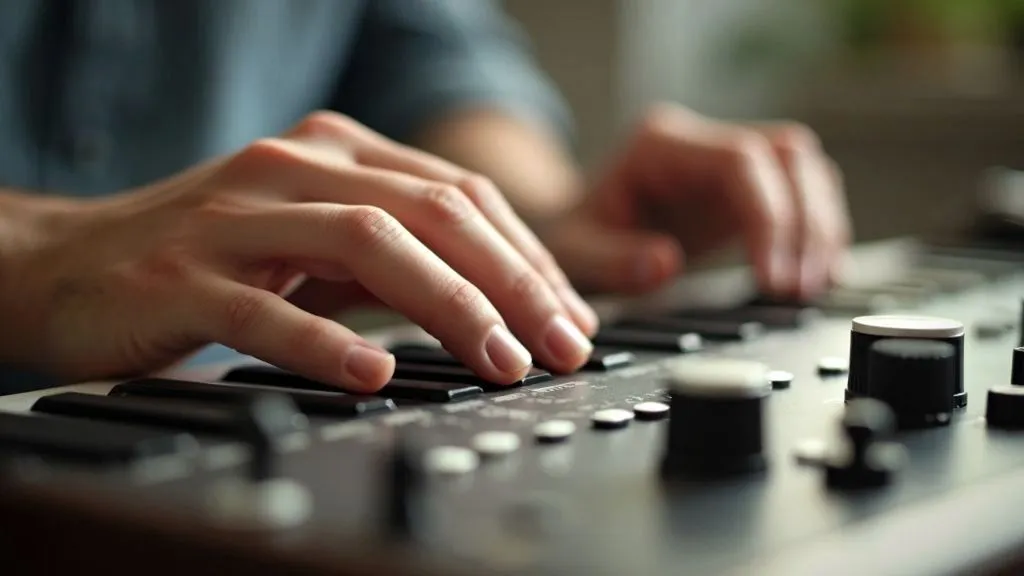
The landscape of music production evolution has undergone a seismic shift over the last few decades, transforming how artists create and distribute their work. This metamorphosis is not merely a tale of technological advancements; it’s a narrative that intertwines creativity, accessibility, and cultural change. As we delve deep into the world of music production, it becomes clear that understanding this evolution is paramount for anyone who wishes to navigate the modern music industry effectively.
To appreciate the current state of music production, one must first look back at its origins. In the early days, recording was a cumbersome process limited to the few who could afford the requisite technology. Fast forward to today, and we see an era characterized by unprecedented access to quality production tools. According to a report by the International Federation of the Phonographic Industry (IFPI), in 2020, around 70% of the world’s music was consumed via streaming services, underscoring a shift toward digital consumption that has reshaped how music is produced and marketed.
The Democratization of Music Production
One of the most significant aspects of the music production evolution is the democratization of the tools available to musicians. Gone are the days when a big studio with intricate equipment dictated the quality of sound. Today, musicians have access to professional-grade software and hardware at their fingertips. Platforms like Logic Pro, Ableton Live, and GarageBand have made it easier for budding artists to produce high-quality tracks from the comfort of their homes.
This shift has led to an explosion of creativity, with a diverse range of sounds emerging from artists who may have once felt stifled by traditional barriers to entry. Renowned music producer and engineer, Tony Maserati, once stated, “The barriers that once existed have crumbled; anyone with a passion and a laptop can create a masterpiece.” This sentiment encapsulates the freedom and innovation that the contemporary music landscape fosters.
However, this newfound accessibility brings with it a set of challenges. The flood of content can make it difficult for individual artists to stand out amidst the noise. The sheer volume of music released daily – estimated at over 60,000 tracks – means that even high-quality productions can get lost in the shuffle. This saturation serves as a double-edged sword, offering opportunities for discovery while also complicating the landscape for emerging artists.
Technological Advancements: Tools of the Trade
The influence of technology on music production evolution cannot be overstated. Digital Audio Workstations (DAWs) have become the backbone of modern music production. With features such as MIDI editing, audio manipulation, and extensive plugin libraries, these software programs have revolutionized the creative process.
One particularly interesting development is the rise of artificial intelligence (AI) in music production. AI tools are now capable of composing original pieces, mixing tracks, and even mastering songs. For instance, platforms like Amper Music and Aiva allow users to generate music effortlessly, offering a unique blend of human creativity and machine efficiency. These innovations raise valid questions: Is AI a collaborator or a competitor to human musicians?
“We are moving towards a future where AI will enable musicians to explore new creative realms,” says Dr. Rebecca Fiebrink, a researcher in AI music composition. “However, it’s essential to strike a balance between human artistry and technological assistance.”
Despite the advantages, critics express concerns regarding creativity. Some argue that a reliance on AI tools may lead to homogenization in music, where tracks begin to sound eerily similar due to algorithmic influences. The unique touch of a human artist could be overshadowed by formulaic compositions derived from data-driven analysis.
The Role of Streaming and Distribution
Another key element in the music production evolution story is the rise of streaming platforms. With services like Spotify, Apple Music, and Tidal, artists can distribute their music globally without the need for a traditional record label. This shift has not only democratized access to music but has also altered how revenue is generated. According to the same IFPI report, only 12% of musicians earned a living from record sales, shifting the reliance towards live performances and merchandise sales.
Yet, the impact of streaming is not universally positive. The revenue model favors quantity over quality, with artists needing millions of streams to generate significant income. Renowned music manager, Andrew Kahn, points out, “The industry is evolving, but the compensation structure is not keeping pace. Artists are working harder than ever, but they’re not being rewarded accordingly.”
This reality presents a dichotomy; while the barriers to entry have lowered, making it easier for new voices to be heard, the financial sustainability of a music career has arguably become more precarious.
The Collaborative Era: New Forms of Communication
As music production continues to evolve, collaboration has taken on a new meaning. Digital platforms now facilitate real-time collaboration between artists located across the globe. Services such as Splice and Soundtrap enable musicians to share projects, explore ideas, and create together, irrespective of geographical limitations. This interconnectedness encourages a melting pot of styles and genres, fostering a spirit of creativity that transcends borders.
However, with this newfound ease of collaboration, the question of artistic integrity arises. When multiple artists contribute to a single piece, how is authorship defined? The often blurred lines of collaboration can lead to disputes over credit, royalties, and creative direction. Music producer and educator, Kerri O’Rourke, comments, “Collaboration is a beautiful thing, but it requires clear communication and respect for each artist’s contributions. Otherwise, it can become a chaotic free-for-all.”
The Impact of Social Media on Music Production Evolution
The influence of social media in the realm of music production is undeniable. Platforms like TikTok and Instagram have become instrumental in promoting music and connecting artists with their audiences. A viral moment on TikTok can catapult a relatively unknown song into the top charts overnight, as witnessed with tracks like “Old Town Road” by Lil Nas X.
However, this phenomenon leads to the notion of “trend culture,” where music production often caters to the fleeting whims of social media users. Artists may feel pressured to craft songs that fit a particular style or vibe that can easily be shared and consumed in bite-sized snippets. Music producer and social media expert, Sarah McDonald, warns, “While social media can be a powerful tool for exposure, it can also compromise artistic integrity; artists need to strike a balance between authenticity and marketability.”
The Future of Music Production: Embracing Change
As we look toward the future of music production evolution, several trends are likely to shape the landscape. Virtual Reality (VR) and Augmented Reality (AR) are beginning to penetrate the music industry, offering immersive experiences that redefine live performances. Imagine attending a concert where you can interact with the musicians and other fans in a virtual space.
Additionally, the rise of blockchain technology presents an opportunity to change how artists are compensated. By creating decentralized platforms for music distribution, artists may reclaim control over their intellectual property, ensuring they receive fair compensation for their work.
Experts suggest that the ongoing evolution of music production will continue to challenge traditional notions of creativity, collaboration, and distribution. Musicologist Dr. Emily Taylor states, “We are on the brink of an unprecedented era in music, where technological innovations will redefine how we understand and consume sound.” This perspective encapsulates the essence of the entire music production revolution: it is a continuous journey of adaptation and transformation.
Conclusion: Navigating the New Soundscape
The music production evolution reflects a complex tapestry woven from technological advancements, cultural shifts, and artistic expressions. The challenges that accompany these changes serve as reminders that while progress is essential, the core essence of music—creativity and connection—remains paramount. As artists continue to innovate in the face of new technologies, they must also navigate the intricate dynamics of the music industry to ensure their voices resonate amid the evolving soundscape.
In a world where anyone can create, the task ahead for artists and producers alike is to carve out their unique identity. The evolution of music production is not merely about the tools at our disposal; it’s about the stories we tell and the emotions we evoke. As the industry continues to transform, it is the human spirit that will ultimately shape the future of sound.