
Innovative Electronic Sounds: How a Woman Pioneered New Musical Dimensions
By Sophie Andersen · · 4 min read
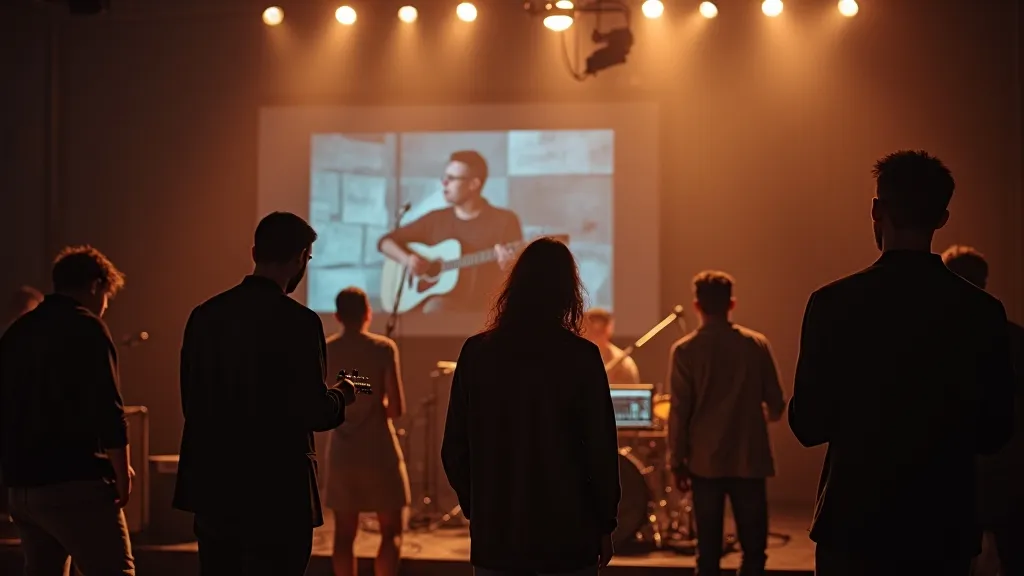
In today’s dynamic music landscape, experimentation plays a pivotal role in shaping the soundscape. One remarkable story is that of a woman whose daring approach nearly gave yesterday’s music an electronic backing. This article delves into her journey, the technology she embraced, and the impact of her work on the industry. This piece touches on record producer David Mellor explain, with context drawn from prior reporting on the topic.
The Rise of Electronic Music
Electronic music has seen a meteoric rise since its inception. The genre, characterized by its use of electronic instruments and technology, dates back to the early 20th century. Early pioneers like Karlheinz Stockhausen and Wendy Carlos established a foundation that contemporaries continue to build upon. The genre exploded into popular culture during the late 1970s with the advent of synthesizers and drum machines. Artists such as Kraftwerk laid the groundwork for modern electronic music, influencing countless musicians and producers along the way.
The Transformative Role of Technology
Technological advancements have significantly shaped the music industry. The introduction of MIDI (Musical Instrument Digital Interface) in the 1980s revolutionized how musicians create and perform. It enabled different instruments to communicate with each other, leading to complex and layered compositions. As technology evolved, software like Ableton Live and FL Studio provided artists with powerful tools to experiment with sound.
This evolution is not merely about the tools; it’s also about the mindset. Musicians today are not afraid to blend genres, and electronic elements can be found in everything from pop to hip-hop. The ability to innovate using technology has enabled many artists to push boundaries, creating unique and memorable musical experiences.
The Trailblazer’s Journey
The woman at the center of our story is a record producer and artist who recognized the potential of electronic sounds early on. With a background in classical music, she embraced technology not as a replacement for traditional instruments but as a means to expand her creative palette. Her approach was to integrate electronic elements into her compositions, establishing a sound that resonated with both the past and the future.
Early Experiments and Challenges
Initially, her attempts to marry classical forms with electronic sounds met with skepticism. The industry often views transitions to electronic music as radical shifts rather than natural evolutions. Despite this, she persevered, experimenting with different software and hardware to achieve her vision.
Her studio became a playground for sound exploration. Utilizing synthesizers and samples, she crafted rich textures and intricate melodies. Her willingness to take risks set her apart in a saturated market. By diving into sound design, she was able to create atmospheric layers that enriched her compositions.
Collaborations and Breakthroughs
The turning point came when she collaborated with other musicians and producers. This synergy transformed her work, allowing her to gain insight into various genres and styles. Through these partnerships, she honed her craft, which culminated in a groundbreaking album that mixed classical motifs with contemporary electronic beats.
In this album, the interplay between live instruments and electronic samples created a unique listening experience. Each track not only showcased her skill but also highlighted the versatility of electronic music. The album’s success was a clear indication that audiences were ready for this innovative sound.
Record producer David Mellow explains how collaboration can often lead to unexpected and delightful results, emphasizing the importance of community within the music industry. His perspective underscores the significance of networking and mutual growth among artists.
The Impact of Her Sound
The cultural impact of her work has been profound. As music consumption shifts towards streaming platforms, artists are finding new ways to engage with their audiences. Her sound became emblematic of a new movement in music, one that embraces technology while respecting tradition.
Inspiring a New Generation
Her journey has inspired countless young artists. With the rise of platforms like YouTube and TikTok, aspiring musicians now have access to a plethora of resources. They can learn about music production, experiment with sound, and share their work with the world. This democratization of music creation reflects a significant shift in how art is produced and consumed.
Furthermore, her commitment to education is evident. She frequently participates in workshops and lectures, aiming to demystify the production process. By sharing her experiences, she empowers others to embrace their creativity and push boundaries.
The Future of Electronic Music
As we look to the future, it’s clear that electronic music will continue to evolve. Innovations in artificial intelligence and machine learning are already beginning to shape how music is created. The rise of AI-driven tools means that the possibilities for sound design and composition are virtually limitless.
Embracing Diversity in Sound
The continuous blending of genres and incorporation of diverse influences will further enrich the electronic music scene. Artists will increasingly draw from various cultural backgrounds, creating a tapestry of sounds that reflect a globalized world. This diversity will not only enhance the richness of the music but also foster greater understanding and appreciation among listeners.
In conclusion, the story of this trailblazing woman serves as a reminder of the transformative power of innovation in music. Through her fearless approach to sound, she has opened doors for new possibilities and inspired a generation of musicians to experiment boldly. As technology continues to evolve, so too will the landscape of music, inviting us all to explore its endless horizons.
The journey into electronic music is just getting started, and we’re excited to see where it leads next.