
Exploring Tomorrow: How AI Will Transform Music Creation and Production
By Sophie Andersen · · 4 min read
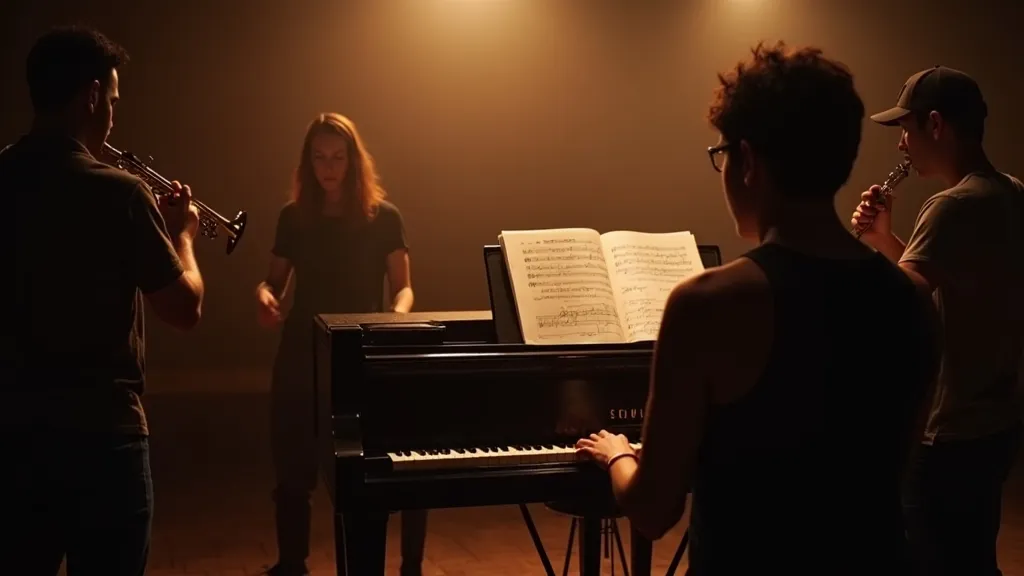
Artificial Intelligence (AI) is rapidly changing various industries, and the music sector is no exception. As technology advances, the integration of AI into music creation is opening up new possibilities for artists, producers, and listeners alike. This article delves into the myriad ways AI is influencing music production, from composition to mastering, and examines the implications of this innovation for the future of the industry.
The Role of AI in Music Composition
Generative Algorithms
One of the most groundbreaking uses of AI in music is through generative algorithms. These algorithms can analyze vast datasets of existing music to create new compositions that mimic the styles and structures of the analyzed works. Platforms like OpenAI’s MuseNet and Google’s Magenta project have successfully demonstrated the ability of AI to compose original pieces that range across genres from classical to pop.
The underlying mechanism involves machine learning, where AI is trained on a rich dataset of musical compositions. The result? Algorithms can generate melodies, harmonies, and even entire songs that resonate with human emotions and musical sensibilities. This brings forth the question: can AI-generated music ever achieve the emotional depth of human-created music? While opinions vary, many argue that AI is best used as a creative partner rather than a replacement for human artistry.
Collaboration Between Humans and Machines
AI does not solely function as an autonomous creator; it also acts as a collaborator. Tools like AIVA (Artificial Intelligence Virtual Artist) and Amper Music allow musicians to use AI as a co-writer. These platforms provide a unique way for artists to explore new sounds and arrangements that they might not have considered otherwise. For instance, a composer may input specific parameters, such as mood and tempo, and the AI will generate complementary musical ideas. This interaction fosters creativity and can lead to innovative music that blends human intuition with machine learning capabilities.
AI in Music Production
Streamlining the Production Process
Beyond composition, AI is transforming the production side of music. Tools like LANDR and iZotope’s Ozone utilize AI algorithms to automate the mastering process, making it accessible to independent artists who may not have the budget for professional mastering engineers. Such platforms analyze tracks and apply various mastering techniques to enhance audio quality, providing instant feedback to users.
This democratization of music production empowers more artists to share their work without the need for extensive technical expertise. As AI continues to evolve, we can expect even more sophisticated tools that can assist in mixing, sound design, and even lyric generation, further lowering barriers for aspiring musicians.
Enhancing Sound Design
AI is also making waves in sound design. Software like Google’s NSynth uses neural networks to create entirely new sounds by combining existing ones. This approach enables producers to craft unique audio textures that are not limited by traditional synthesis methods. The ability to explore new sonic landscapes can inspire unprecedented artistic directions, allowing artists to break free from conventional sound palettes.
Implications for Music Distribution and Consumption
Personalization of Listening Experiences
AI’s impact extends to how music is distributed and consumed. Streaming platforms like Spotify and Apple Music leverage AI algorithms to curate personalized playlists and recommendations based on user behavior and preferences. This technology enhances user experience by providing a tailored listening journey, encouraging exploration of new artists and genres.
Furthermore, AI can analyze listener engagement to help artists and labels refine their marketing strategies. By understanding which tracks resonate most with audiences, musicians can make informed decisions about their releases and promotional efforts.
Ethical Considerations
While AI offers numerous benefits, it also raises ethical questions that the music industry must address. For instance, who owns the rights to music created by AI? Is it the programmer, the user, or should the music itself have some form of ownership? As AI-generated music becomes more prevalent, these legal frameworks will need to adapt to ensure fair practices.
Moreover, the authenticity of music comes into question. As AI-generated music gains popularity, will listeners still value the human touch in songwriting and production? Some fear that over-reliance on AI could lead to a homogenization of sound, where music becomes formulaic and predictable, lacking the unique qualities that arise from human creativity.
The Future of Music Creation with Artificial Intelligence
As we look forward, the future of music creation with artificial intelligence appears vibrant and ripe with possibilities. It is crucial for artists, producers, and industry stakeholders to embrace these advancements while maintaining a balance between technology and human creativity. AI can serve as a tool for enhancing artistic expression rather than a replacement for it.
Education and Skill Development
To fully harness the potential of AI in music, education will play a vital role. Aspiring musicians and producers should be encouraged to learn about AI tools and their applications in music creation. This knowledge will empower them to integrate technology into their creative processes effectively.
Institutions and online platforms can offer courses that bridge the gap between technology and artistry, ensuring that the next generation of musicians understands how to leverage AI while cultivating their unique voices.
Conclusion
Artificial intelligence is not just a fad; it’s a transformative force in the music industry. As we navigate this new landscape, it is essential to embrace AI as a partner in the creative process while recognizing the irreplaceable qualities of human artistry. By doing so, we can look forward to a future where music creation is richer, more diverse, and more accessible than ever before. The integration of AI in music is a journey worth exploring, and its potential is limited only by our imagination.