
Understanding the Behringer CT100 Cable Tester: Essential for Music Production
By Sophie Andersen · · 4 min read
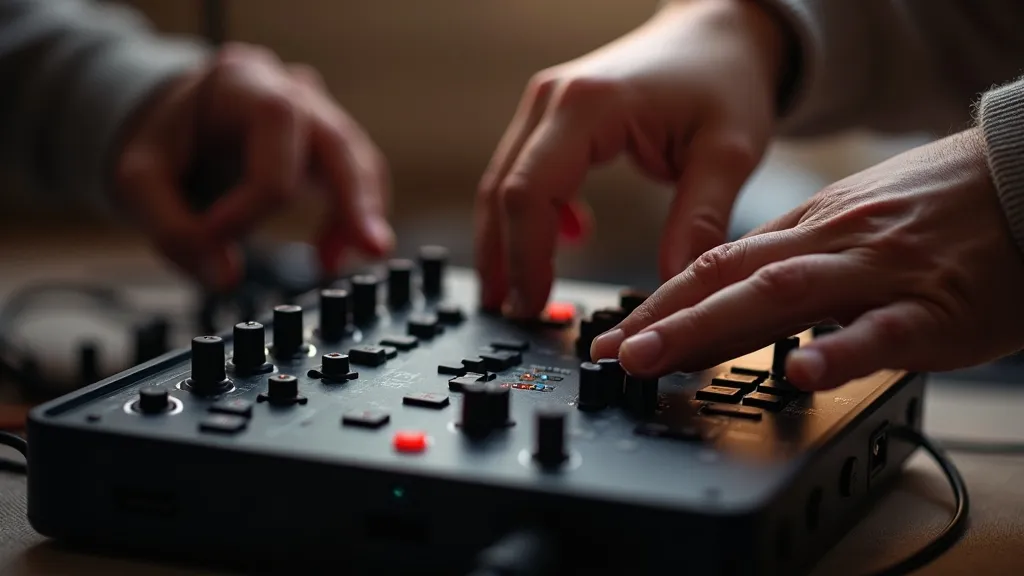
When it comes to music production, ensuring that your equipment is functioning optimally is crucial. One tool that can help maintain the integrity of your sound setup is the Behringer CT100 Cable Tester. This device has gained recognition among audio professionals for its reliability and accuracy in testing various types of audio cables. This article breaks down the features, benefits, and practical applications of the Behringer CT100, guiding you to make the best use of this essential tool.
What is the Behringer CT100 Cable Tester?
The Behringer CT100 is a compact, portable cable tester designed to assess the integrity of audio cables. It can test both XLR and 1/4-inch TRS connectors, making it versatile enough to be used in various settings, from home studios to professional recording venues. The device is capable of identifying problems like shorts, open circuits, and miswiring, which can significantly affect audio quality during recordings or live performances.
Key Features of the Behringer CT100
-
Multiple Testing Modes: The CT100 offers two primary testing modes: the first for checking cable connections and the second for identifying faults in cables or connectors. This feature allows for quick diagnostics and troubleshooting.
-
LED Indicators: The device has a series of LED lights that indicate the status of the cable being tested. This visual representation makes it easy to identify issues at a glance.
-
Durable Design: Built with sturdy materials, the CT100 is designed to withstand the rigors of frequent use. Whether in a studio or on the road, this cable tester can handle the demands of a busy audio professional.
-
Battery Operated: The CT100 runs on a single 9V battery, making it an efficient tool for both studio and portable applications. Its lightweight design ensures that it can be easily carried in your gear bag.
-
Affordable Pricing: Compared to other cable testers on the market, the CT100 is competitively priced, providing a cost-effective solution for those who need reliable testing without breaking the bank.
Why You Need a Cable Tester in Your Studio
Using a cable tester like the Behringer CT100 can bring multiple advantages to your music production workflow. Here are some compelling reasons:
1. Preventing Audio Issues
One of the primary benefits of using a cable tester is that it helps identify potential problems before they become major issues. Faulty cables can introduce noise, hum, or even complete signal loss into your audio chain. By regularly testing your cables, you can ensure that your setup remains clean and professional.
2. Ensuring Reliability for Live Performances
For musicians and audio engineers, live performances can be stressful. The last thing you want is a faulty cable causing a disruption during a show. The Behringer CT100 allows you to check all cables before a performance, giving you peace of mind knowing that your audio signal is stable.
3. Saving Time and Resources
Troubleshooting audio issues without a cable tester can be time-consuming. By quickly identifying whether the problem lies within a cable or another piece of equipment, you can save valuable time in your production or performance schedule. This efficiency allows you to focus on your creative tasks rather than technical difficulties.
How to Use the Behringer CT100
Using the CT100 is straightforward, making it accessible even for those new to audio production:
-
Connect the Cable: Insert one end of the cable you want to test into the input jack on the CT100, and connect the other end to the output jack.
-
Select the Testing Mode: Choose between the testing modes based on what you want to check. This can usually be done with a simple switch on the device.
-
Read the Results: Observe the LED indicators which will light up based on the cable’s integrity. A healthy cable will show a consistent pattern of lights, while a faulty cable will indicate an issue.
-
Diagnose the Problem: If an issue is detected, you can further inspect the cable or connectors for physical damage or improper wiring.
Real-World Applications of the Behringer CT100
The Behringer CT100 can be beneficial in various scenarios common in music production:
Home Studios
For home studio owners, where investment in quality equipment can be substantial, the CT100 is an affordable way to ensure that all your connections are sound. It can help troubleshoot issues when recording, ensuring that you capture the best quality audio possible.
Professional Studios
In a professional studio environment, time is money. The quick diagnostics provided by the CT100 can help maintain workflow efficiency, allowing engineers to focus on mixing and mastering rather than troubleshooting faulty connections.
Live Sound Engineering
Sound engineers working in live environments can greatly benefit from the CT100. Being able to quickly ascertain whether the issue lies with a cable or a piece of equipment can mean the difference between a seamless performance and a technical failure.
Conclusion
The Behringer CT100 Cable Tester is an invaluable tool for anyone involved in music production, whether you are a hobbyist or a seasoned professional. Its combination of durability, affordability, and ease of use makes it a must-have in your audio toolkit. If you want to maintain the quality of your audio setup and ensure that your performances go off without a hitch, consider investing in the Behringer CT100. For more information about this essential tool, visit this link and explore its features in depth.