
Unveiling the Edison Phonograph: The Secret to Sound Recording History
By Sophie Andersen · · 4 min read
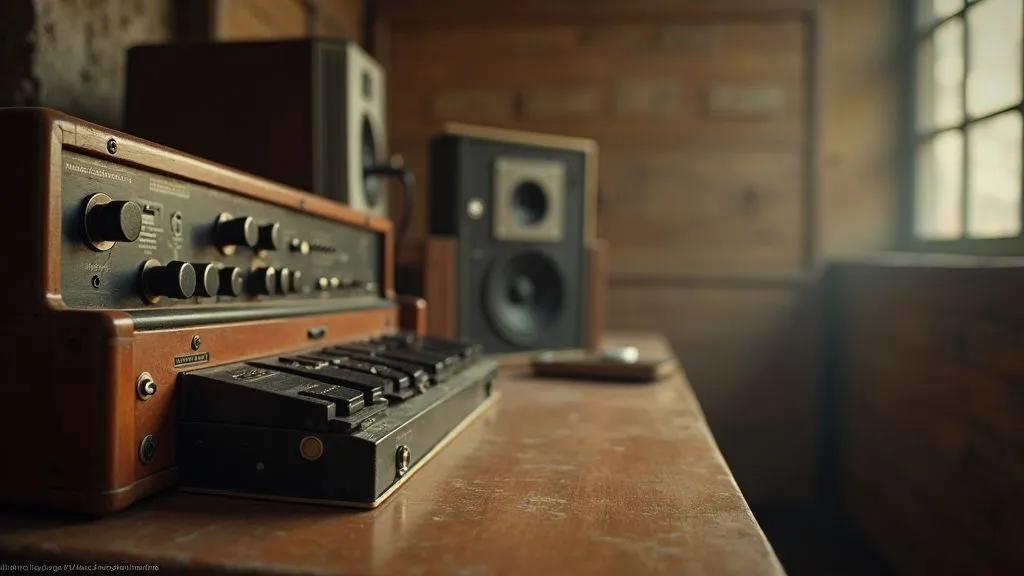
The history of music production is intertwined with innovation, and few inventions have had a more profound impact than Thomas Edison’s phonograph. This groundbreaking device not only recorded sound but also played it back, forever changing the landscape of audio technology. This article delves into the intricacies of the Edison phonograph, exploring its role in music production and the legacy it has left behind.
The Birth of the Phonograph
In 1877, Thomas Edison unveiled the phonograph to the world, marking the beginning of sound recording as we know it. Initially designed to capture telephone messages, the phonograph utilized a cylinder covered in tinfoil. The sound was recorded by a diaphragm that etched vibrations into the surface of the cylinder. This remarkable invention was the first to successfully reproduce sound, captivating audiences and marking a significant milestone in the music industry.
The Mechanisms Behind the Magic
The phonograph operates on a simple yet ingenious mechanism. Sound waves create vibrations that are transmitted via a diaphragm to a stylus. The stylus then engraves a groove into the recording medium, be it tinfoil or later, wax cylinders. When it comes time to play back the recording, the process is reversed. The stylus traces the grooves, converting them back into sound waves. This basic principle remains foundational in various modern recording technologies, such as vinyl records.
The evolution of the phonograph from its initial design to more sophisticated models is a testament to the ingenuity of early inventors. Edison’s vision paved the way for improvements, including the introduction of the wax cylinder which offered better sound quality and durability. For a more detailed understanding of the phonograph’s mechanics, consider visiting the Smithsonian Institution which houses original models.
Edison’s Impact on Music Production
Edison’s phonograph not only revolutionized sound recording but also transformed the music industry. Prior to its invention, live performances were the sole means of experiencing music. The phonograph introduced the concept of recorded music, allowing audiences to engage with their favorite artists at any time. This accessibility changed how music was consumed, leading to the rise of the recording industry.
The Evolution of Music Distribution
The invention of the phonograph also led to innovations in music distribution. By the late 19th century, record labels began to emerge, providing artists with a platform to reach wider audiences. The first record labels, such as Columbia and Victrola, capitalized on the growing popularity of the phonograph. They began producing and selling records, making it possible for people to own music in their homes.
Edison’s invention laid the groundwork for what would become a multibillion-dollar industry. For a broader perspective on the impact of recorded music, the Library of Congress offers extensive resources on the cultural significance of the phonograph and its evolution.
The Phonograph and the Rise of Popular Music
The phonograph played a crucial role in shaping popular music genres. As the device became more prevalent, it allowed for the recording of various musical styles, from classical to jazz to blues. The ability to capture and reproduce live performances helped musicians reach audiences beyond their immediate geographic locations.
The Influence on Artists and Record Producers
For artists, the phonograph provided an opportunity to immortalize their performances. It fundamentally changed the way they approached their craft. Artists began to think about how their music would sound when recorded, leading to innovations in composition and performance techniques.
Record producers, too, emerged as essential figures in the music industry. They began to understand the nuances of sound recording and developed techniques to enhance audio quality. The phonograph’s capabilities necessitated the development of professional recording studios, where producers could experiment with sound engineering and mixing. This evolution laid the foundation for modern music production practices.
The Phonograph’s Legacy in Today’s Music Production
While the original Edison phonograph may seem archaic in today’s digital world, its legacy is profoundly felt in modern music production. The principles of sound recording and playback established over a century ago continue to inform contemporary practices. Today’s recording technology owes much to the innovations pioneered by Edison and his contemporaries.
From Analog to Digital
The transition from analog to digital recording represents a major shift in music production. While the phonograph operated on physical media, modern music production increasingly relies on digital formats. However, the essential concepts of capturing sound and manipulating it have remained consistent. Digital audio workstations (DAWs) now dominate the landscape, allowing producers to record, edit, and mix music with unprecedented precision.
Yet, despite these advancements, there is a resurgence of interest in analog recordings. Many artists and producers have begun to explore the warmth and character that vinyl records offer, harkening back to the days of the phonograph. These movements highlight how the past continues to inspire and influence contemporary practices.
Conclusion: The Enduring Influence of Edison’s Phonograph
The Edison phonograph was more than just an invention; it was a catalyst for change in the music industry. It propelled the recording of sound into the mainstream, enabling artists to reach audiences far beyond their immediate surroundings. As we reflect on the journey of music production, it is essential to recognize the profound impact of the phonograph.
Edison’s legacy serves as a reminder of the power of innovation in shaping our cultural landscape. For those interested in further exploring the evolution of sound recording and its implications for music production today, record-producer.com offers a wealth of information and resources.
The phonograph may be a relic of the past, but its influence continues to resonate in every note, track, and recording that fills our lives with music.