The Democratization of Music Production: Creativity Meets Chaos
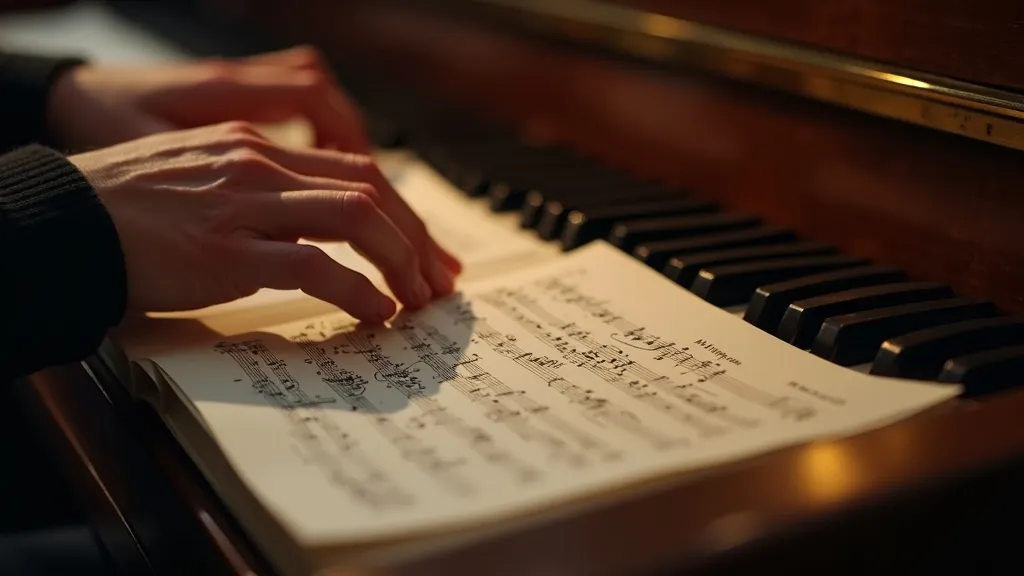
The democratization of music production has transformed how artists create, distribute, and monetize their work. Gone are the days when only the most affluent could afford access to top-tier studios and high-end equipment. Today, a laptop, an interface, and a decent microphone can equip an aspiring musician to produce high-quality tracks from their bedroom. This shift represents not just a technological advancement, but a cultural movement, redefining the music industry’s landscape.
Breaking Down Barriers
Looking back, the music production space was guarded by a few gatekeepers who controlled what made it to the charts. In the 1990s, studios were elaborate spaces inhabited by elite producers and well-funded labels. According to a 2022 report by the International Federation of the Phonographic Industry (IFPI), the global recorded music industry generated $23.1 billion in revenue, with streaming accounting for 65% of that total. While this growth is undeniably impressive, it also highlights how much control major labels still exert over market trends and listener preferences.
However, the rise of affordable digital audio workstations (DAWs) like Ableton Live, FL Studio, and Logic Pro has opened the floodgates. The democratization of music production empowers artists to create and release music without financial burdens or limitations imposed by industry gatekeepers. According to a 2023 study by the Berklee College of Music, 80% of current students produce music independently, a clear sign that the next generation is embracing this shift toward self-sufficiency.
The Argument for Quality vs. Quantity
While this democratization brings an array of opportunities, the overwhelming number of available tracks can lead to what some industry experts refer to as “musical noise.” It becomes harder for individual tracks to gain traction amid the cacophony of new releases. As renowned music producer and educator David Siegel states, “More music doesn’t necessarily mean better music. It dilutes the market and makes it challenging for quality artists to stand out.”
Siegel’s comment underscores a validity to the argument that the democratization of music production may result in a less curated musical landscape. Is there a risk we could witness a qualitative decline in the outputs of artists who lack the experience or training to produce high-caliber music?
However, it’s important to counter this argument with the fact that many untrained artists have found their unique sound precisely because they weren’t constrained by conventional production methodologies. The success of artists like Billie Eilish, who began her career producing tracks in her brother’s bedroom, demonstrates that talent often flourishes in less restrictive environments.
Creative Freedom vs. Commercial Viability
As we explore further, we see another layer of complexity in this newfound freedom: the delicate balance between artistic expression and commercial viability. In the past, artists often had to conform to industry standards to get signed, limiting their creative output. With the rise of independent platforms such as Bandcamp and SoundCloud, artists now have more control over their music and how it’s marketed.
Still, this approach raises questions. Is pure creativity enough to ensure success in a market saturated with content? The reality is that even independent artists must consider the commercial aspects of their work if they wish to reach wider audiences.
Daniel Ek, the CEO of Spotify, once remarked, “Music is a business, and if you want to make money, you have to produce music that people want to hear.” This statement highlights the dual challenge of being both an artist and a savvy marketer in an era where music production can often feel more like a hustle.
The Role of Technology: A Double-Edged Sword
The technological evolution of music production has also played a pivotal role in shaping this democratization. The introduction of software plugins, virtual instruments, and online collaboration tools means that anyone can create intricate arrangements from their home studio. However, with innovation comes complication.
Producers today are faced with an overwhelming array of choices that can be paralyzing. “The more options you have, the harder it becomes to make decisions,” explains Grammy-winning producer Andrew Huang. He emphasizes the need for creative limitations. “Sometimes having fewer tools can lead to a more focused and cohesive sound.”
This paradox is echoed in other creative fields, where constraints often lead to more inventive outcomes. The old adage “less is more” rings true in music production as well. While technology has simplified the act of creation, the abundance of choices can lead artists astray.
The Streaming Era: Access or Oversaturation?
Once an artist completes their production, they face another hurdle: distribution. The advent of platforms like Spotify, Apple Music, and YouTube has democratized access to listeners, effectively eliminating geographical and financial barriers. As of 2023, over 500 million people use paid music streaming services, as per the Recording Industry Association of America.
But these platforms also contribute to the flood of content. According to Spotify’s own statistics, over 60,000 new tracks are uploaded to the platform every day. This creates an environment where even high-quality music may struggle to gain visibility. The challenge is not just to create, but to cut through the noise and reach potential fans.
Artists like Chance the Rapper have used platforms like SoundCloud to earn significant followings without being tethered to traditional label deals. However, for every success story, there are countless artists who remain unheard amidst the digital clutter.
Embracing Diversity: The New Soundscapes
One of the more profound changes brought about by the democratization of music production is the emergence of diverse musical genres and sounds. Access to tools that allow for genre-blending has led to creativity that transcends traditional styles. Reggaeton, K-Pop, and Lo-Fi Hip-Hop are just a few examples of genres that have gained global traction thanks to producers who are not bound by conventional music-making processes.
Moreover, the rise of collaborative tools like Splice and LANDR has allowed producers from around the world to create together, regardless of their physical locations. This global collaboration fosters a melting pot of styles, resulting in fresh and innovative sounds.
The Ethics of Music Production
With this new accessible landscape, ethical questions inevitably arise. The line between inspiration and plagiarism can become blurred when tools allow for easy replication of sounds. Musicians need to consider the ethical implications of their sampling and production methods. The American Society of Composers, Authors, and Publishers (ASCAP) has made strides in educating creators about copyright, but the evolving landscape remains a tricky terrain.
In the rush to democratize, it’s vital to maintain respect for original works and the artists behind them. As noted by copyright attorney Eric S. Goldman, “The democratization of music production is a double-edged sword. While it allows new voices to emerge, it also raises profound ethical concerns that the industry must navigate.”
Looking Ahead: What Lies Beyond?
The future of the democratization of music production presents both exciting opportunities and complex challenges. As technology continues to evolve, artists will need to become more adept not only at creating music but at navigating the shifting landscape of distribution, marketing, and audience engagement.
Emerging technologies like artificial intelligence are already making waves in music production, not just as tools for creation but as collaborators that can assist artists in generating new sounds and ideas. However, the ethical implications surrounding AI in creative fields warrant serious consideration.
Moreover, the traditional model of record labels is being reevaluated. As more artists choose to go independent, the role of labels may shift from being gatekeepers to playing the role of managers and promoters. This could lead to a more artist-friendly environment, as musicians prioritize their creative vision over commercial pressures.
Conclusion: Embracing the Chaos
As we step into this new era, the democratization of music production is, without question, a significant force reshaping the music industry. It presents a vast landscape of possibilities for aspiring musicians, while also challenging them to navigate an increasingly complex world of creativity and commerce.
For those willing to embrace the chaos, the rewards can be profound. Artists today have the unprecedented ability to carve out their own paths, use their voices, and connect with listeners in ways that were once unimaginable. Amidst the noise, there are melodies waiting to be discovered—each one a testament to the power of democratization in music production.
As David Siegel aptly says, “The only real limit is your imagination.” And with technology evolving at a rapid pace, the horizon looks promising for the next generation of music creators. The question remains: are we ready to embrace that imagination in all its chaotic glory?