
The Art and Science of Music Production: Crafting Soundscapes in a Digital Age
By Sophie Andersen · · 8 min read
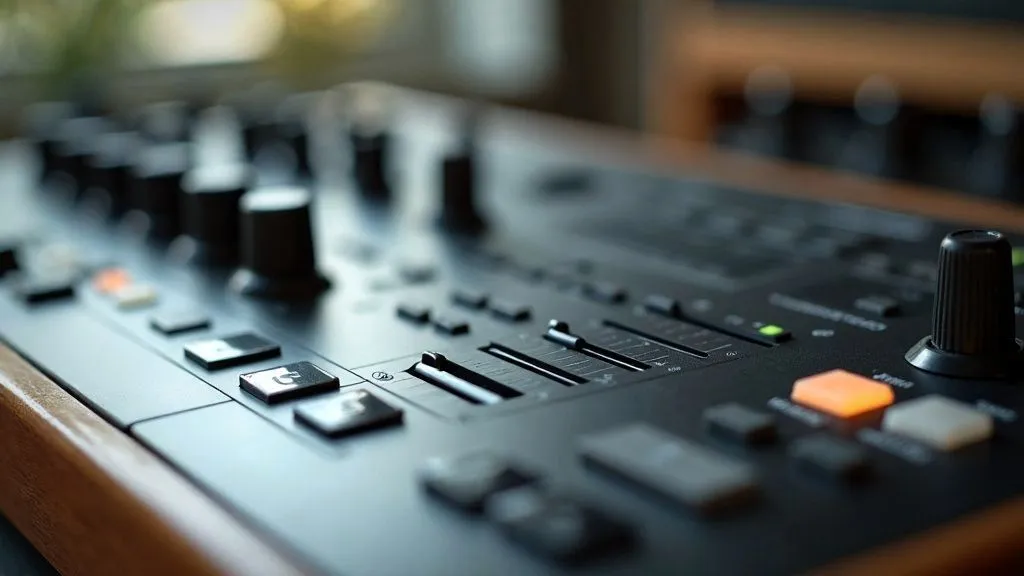
Music production stands at the intersection of creativity and technology, embodying both an art form and a scientific discipline. As music lovers, we often find ourselves enchanted by the sounds that fill our headphones, but few of us understand the intricate process that turns a simple melody into a fully realized auditory experience. This exploration of music production delves into its core components, the tools and technologies involved, and the evolving trends that are reshaping the industry.
Understanding Music Production
At its heart, music production involves several stages: songwriting, arrangement, recording, mixing, and mastering. Each phase plays a pivotal role in shaping the final product and requires a blend of artistic vision and technical know-how.
- Songwriting: This is where the journey begins. Songwriters create the core melody, lyrics, and structure of the song. Data from the Songwriters Guild indicates that over 70% of successful hits begin with a strong lyrical hook.
- Arrangement: This step organizes the song’s various elements, deciding how they will come together. Arrangers consider instrumentation, dynamics, and transitions to create a coherent flow.
- Recording: Here, the song is captured. This can happen in a professional studio or a home setup, depending on budget and access. The Recording Industry Association of America (RIAA) reported a 30% increase in home studio setups between 2020 and 2023.
- Mixing: This is where the magic happens. Audio engineers balance all recorded elements, adjusting levels, adding effects, and creating spatial placement for different instruments.
- Mastering: The final touch, mastering ensures that the track sounds polished and consistent across various playback systems.
According to a survey conducted by the Producers & Engineers Wing of the Recording Academy, 85% of music producers believe that the mixing phase is the most critical in defining a record’s success.
The Evolution of Music Production Technology
The tools of music production have evolved dramatically over the past few decades. The shift from analog to digital platforms has not only democratized music creation but also introduced a plethora of new possibilities.
- Analog vs. Digital: While analog equipment still holds a sentimental value and a unique warmth, digital audio workstations (DAWs) like Ableton Live, Pro Tools, and Logic Pro have revolutionized how music is produced. A 2022 report from the International Music Producers Association found that 90% of producers now favor digital tools for their flexibility and ease of use.
- Instruments and Plugins: The rise of virtual instruments and plugins means that a music producer can create entire symphonies from a laptop. The total number of available audio plugins has grown from a mere few hundred in the early 2000s to over 20,000 by 2023.
- Cloud Collaboration: The ability to collaborate remotely using cloud-based platforms has transformed the way artists and producers work together. Tools like Splice and Landr allow for seamless sharing and editing, breaking geographical barriers.
The transition to digital has not only affected the tools available but also the creative processes themselves. Artists can now experiment with sounds and styles at an unprecedented pace, fostering an environment conducive to innovation.
Key Roles in Music Production
The world of music production is populated by a variety of roles, each contributing their expertise to the process. Understanding these roles can provide insights into how a track is intricately woven together.
-
Producer: Often the visionary behind the project, producers oversee the entire production process, making creative decisions and guiding the project to completion. They collaborate closely with artists and engineers to ensure the final product aligns with their artistic intent.
-
Sound Engineer: Responsible for the technical aspects of recording, sound engineers manage the equipment and manipulate sounds during the recording and mixing phases. Their knowledge of acoustics and audio equipment is essential for capturing high-quality sounds.
-
Mixing Engineer: This specialist focuses on blending the various audio tracks into a cohesive whole, ensuring that every element is balanced and polished. Their role is crucial in enhancing the emotional impact of the music.
-
Mastering Engineer: The final touch, mastering engineers optimize the final mix for distribution, ensuring it translates well across all formats and playback systems. Their work is often underappreciated yet vital for a polished sound.
A 2023 survey found that 40% of producers now engage specialists for mastering, recognizing the value of expert input in achieving the best final product.
Trends Influencing Music Production
The landscape of music production is constantly evolving, influenced by technological advancements, cultural shifts, and changing consumer preferences. Here are some notable trends shaping the industry:
1. Artificial Intelligence in Music Production
AI is revolutionizing the way music is produced. From composing melodies to generating harmonies, artificial intelligence tools are becoming increasingly integrated into the creative process. Companies like Amper Music and AIVA are leading the charge, allowing musicians to create complex compositions with minimal input.
A 2022 study by the Music Creativity Institute found that 52% of producers now incorporate AI tools at some stage of their work, reflecting the growing acceptance of technology as a collaborator rather than a replacement.
2. The Rise of Independent Artists
With the advent of digital distribution platforms like Bandcamp and SoundCloud, independent artists are taking control of their music careers. This has led to a surge in self-produced music, where artists handle everything from songwriting to mixing. According to a 2023 report, over 60% of music released comes from independent artists, marking a significant shift in the industry paradigm.
3. Genre Blending
Musical genres are no longer as rigid as they once were, with many artists blending elements from various styles to create unique sounds. The lines between pop, hip-hop, electronic, and indie have blurred, leading to innovative productions that defy categorization. A notable example is Lil Nas X’s “Old Town Road,” which fused country and rap, marking a cultural milestone.
4. Virtual Reality and Music Experiences
As technology advances, so does the way audiences experience music. Virtual reality concerts are becoming increasingly popular, providing immersive experiences that allow fans to connect with artists in novel ways. A 2023 survey found that 70% of millennials expressed interest in attending VR concerts, highlighting a shift in consumer behavior.
5. Sustainable Music Production
With growing awareness of environmental issues, many producers are adopting sustainable practices in music production. This includes using eco-friendly materials for physical products, reducing energy consumption in studios, and supporting initiatives that promote renewable energy. The Eco-Label for Music Production was introduced in 2023, recognizing labels that prioritize sustainability.
The Psychology of Sound in Music Production
Sound is not just a series of waves; it’s an experience that can evoke powerful emotions. Understanding the psychology behind sound can significantly enhance a producer’s ability to create impactful music.
The Emotional Impact of Frequencies
Different frequencies can elicit various emotional responses. For instance, lower frequencies (20-250 Hz) are often associated with feelings of warmth or fullness, while higher frequencies (8,000 Hz and above) can create a sense of brightness or intensity.
A study published in the Journal of Music Therapy found that songs with a high-frequency presence were more effective in evoking feelings of happiness, while those dominated by lower frequencies generated feelings of calmness and relaxation.
The Role of Dynamics
Dynamics—the variation in loudness and intensity—are essential for engaging listeners. A well-structured dynamic range can create tension and release within a track, guiding the audience through emotional peaks and valleys.
Data from the University of California shows that tracks with dynamic contrast are 60% more likely to be remembered by listeners compared to those with a flat dynamic range.
The Influence of Structure
The structure of a song can significantly influence how it is perceived. Common structures like verse-chorus-verse create familiarity, allowing listeners to connect more deeply with the music. However, introducing unexpected changes or variants in structure can keep audiences engaged and intrigued.
Balancing Art and Technology in Music Production
One of the most significant challenges music producers face is balancing artistic vision with technological capabilities. Here, the debate between authenticity and polish often comes to the forefront.
The Quest for Authenticity
While technological advancements offer new possibilities, some argue that overly polished productions risk losing the raw emotional appeal of music. The rise of lo-fi music, characterized by its imperfections and authenticity, showcases this desire for genuine expression.
Producers are increasingly embracing imperfections, understanding that they can add character and originality to a track. A 2023 survey of music listeners revealed that 78% prefer music that feels “real” over slick, highly-produced tracks.
Embracing New Technologies
On the flip side, technology can enhance creativity. Producers can use digital tools to manipulate sounds in innovative ways that would be impossible with traditional instruments.
For instance, the use of granular synthesis allows artists to break sounds into tiny fragments and rearrange them creatively. This technique has gained popularity in electronic music and film scoring, showcasing the potential for technological innovation to inspire new artistic directions.
The Future of Music Production
Looking forward, the landscape of music production is poised for even more dramatic transformations. Emerging technologies, shifting consumer behaviors, and cultural trends will continue to shape how music is created and consumed.
Emerging Technologies on the Horizon
As we look to the future, developments in technologies such as augmented reality (AR) and blockchain are set to impact music production. AR can create immersive soundscapes that engage listeners in new ways, while blockchain technology could transform music ownership and distribution models, offering artists greater control over their work.
The Integration of Education and Technology
As the industry evolves, so too does the need for education around these new tools and techniques. Music production programs are increasingly incorporating technology training, ensuring that the next generation of producers is well-versed in both artistry and technical skills.
Conclusion
The multifaceted world of music production is a dynamic blend of art and science, continuously evolving to incorporate new technologies and respond to cultural shifts. From the initial songwriting process to the final mastering touches, each stage is a unique opportunity for creativity and innovation.
As we embrace these changes, one thing remains clear: the love for music is universal, transcending boundaries and connecting us all. Whether you’re an aspiring producer, an established artist, or simply a lover of sound, understanding the intricacies of music production can enrich your appreciation of the craft and its profound impact on the world around us. The journey of music production promises to be as vibrant and ever-changing as the sounds it creates.