
The Evolution of Analog Recording: A Journey Through Time
By Sophie Andersen · · 4 min read
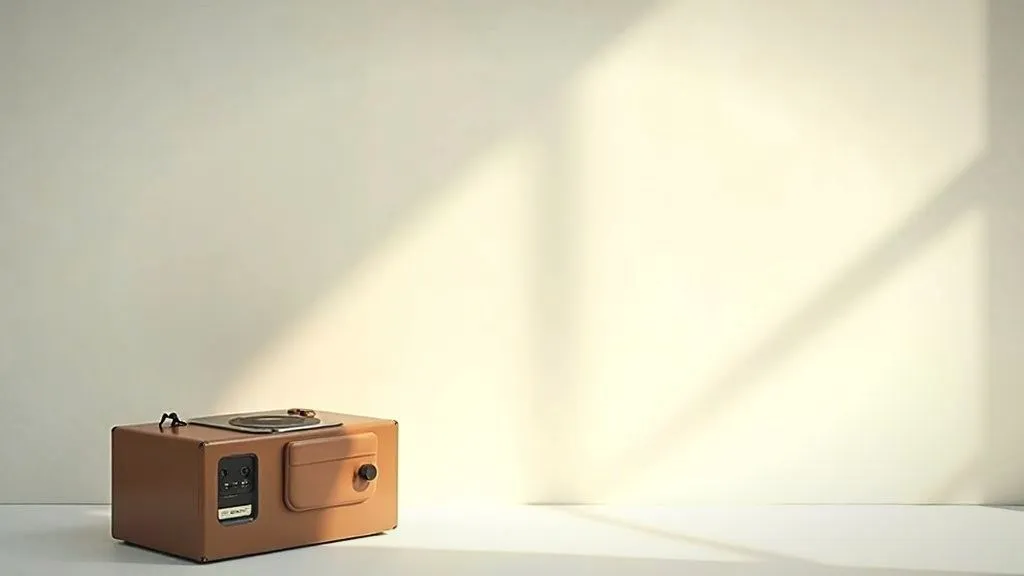
Analog recording has a rich history that has profoundly shaped the music industry. From its inception in the late 19th century to its resurgence in the digital age, the journey of analog recording is a testament to innovation, creativity, and the enduring love for music. This article delves into the significant milestones, technologies, and artists that have defined analog recording, offering insight into its lasting impact on the art of music production.
The Beginning: Early Innovations
The story of analog recording begins in 1877 with Thomas Edison’s invention of the phonograph. Edison’s device used a needle to etch sound vibrations onto a rotating cylinder covered in tinfoil. While rudimentary, this invention laid the foundation for audio recording. Shortly after, Emile Berliner introduced the flat disc record in 1887, allowing for easier mass production and playback. This innovation revolutionized the way music was distributed and consumed.
As technology progressed, the introduction of magnetic tape in the 1930s marked a significant turning point. Magnetic tape allowed for better sound quality, longer recording times, and the ability to easily edit recordings. The first reel-to-reel tape recorders became popular in the late 1940s, making it possible for musicians and producers to create high-quality recordings in studios. This shift opened new avenues for creativity, enabling artists to experiment with sound in ways that were previously unimaginable.
The Golden Age of Analog Recording
The 1950s and 1960s are often regarded as the golden age of analog recording. During this time, the music industry saw a surge in creativity and technological innovation. The development of the multi-track recording system allowed artists to record different instruments and vocals separately, enabling greater control in the mixing process. This technique became a staple in the production of popular music, transforming the studio into a playground for sonic exploration.
Notable innovations during this period included the introduction of 8-track tapes and the use of tube microphones, which added warmth and character to recordings. Iconic albums from this era, such as The Beatles’ “Sgt. Pepper’s Lonely Hearts Club Band” and Pink Floyd’s “The Dark Side of the Moon,” showcased the power of analog recording techniques. These albums not only pushed the boundaries of music but also highlighted the importance of the recording process as an integral part of artistic expression.
The Decline of Analog: Enter Digital Recording
As technology advanced, the music industry began to shift towards digital recording in the 1980s. The introduction of the Compact Disc (CD) revolutionized music distribution, offering listeners a new way to enjoy high-fidelity sound. Digital recording systems like Pro Tools emerged, providing unprecedented precision and flexibility in the recording process.
While digital recording offered numerous advantages, including ease of editing and the ability to store vast amounts of data, many artists and producers began to notice a distinct difference in sound quality. Some claimed that digital recordings lacked the warmth and depth of their analog counterparts. This realization sparked a renewed interest in analog recording techniques, leading to a revival of vinyl records and the resurgence of analog studios.
The Analog Revival and Its Impact
In recent years, there has been a notable resurgence in the popularity of analog recording. Musicians and producers have increasingly turned to analog equipment, seeking the warmth and character that analog recordings provide. This movement is not just a nostalgic return to the past but also a recognition of the unique qualities that analog can bring to music.
Vinyl records have experienced a renaissance, with sales reaching levels not seen since the 1980s. This resurgence is fueled by a growing appreciation for the tactile nature of vinyl, as well as the desire for a more authentic listening experience. Many contemporary artists, from Jack White to Adele, have embraced analog recording techniques, often opting to record their albums using vintage equipment and analog tape.
The rise of boutique recording studios specializing in analog technology has also contributed to this revival. These studios offer artists the opportunity to record in an environment that celebrates the artistry of analog production. With gear ranging from classic tube compressors to vintage microphones, these spaces provide a unique atmosphere that fosters creativity and collaboration.
The Future of Analog Recording
As we look to the future, the coexistence of analog and digital recording seems increasingly likely. While digital technology continues to dominate the industry, the appreciation for analog’s distinctive sound shows no signs of waning. Many producers are now adopting a hybrid approach, combining the best of both worlds to create unique sonic experiences.
For instance, some artists choose to record their tracks on analog tape and then transfer them to digital for editing and mixing. This method allows them to retain the warmth of analog while benefiting from the precision of digital tools. The evolution of technology has thus led to a synthesis of techniques, allowing for greater artistic expression.
Moreover, advances in hardware and software are making it easier than ever for artists to replicate the analog sound digitally. Plugins that emulate vintage equipment and tape saturation have become commonplace in modern recording, enabling producers to capture the essence of analog without sacrificing the efficiency of digital production.
Conclusion
The history of analog recording is a fascinating journey that reflects the evolution of music and technology. From the early days of the phonograph to the current revival of vintage recording techniques, analog has played a crucial role in shaping the sound of modern music. As artists and producers continue to explore the possibilities of both analog and digital, we can be assured that the legacy of analog recording will endure, enriching the art of music production for generations to come.