
Discovering Unique Techniques in TV Miking: An Intriguing Case Study
By Sophie Andersen · · 4 min read
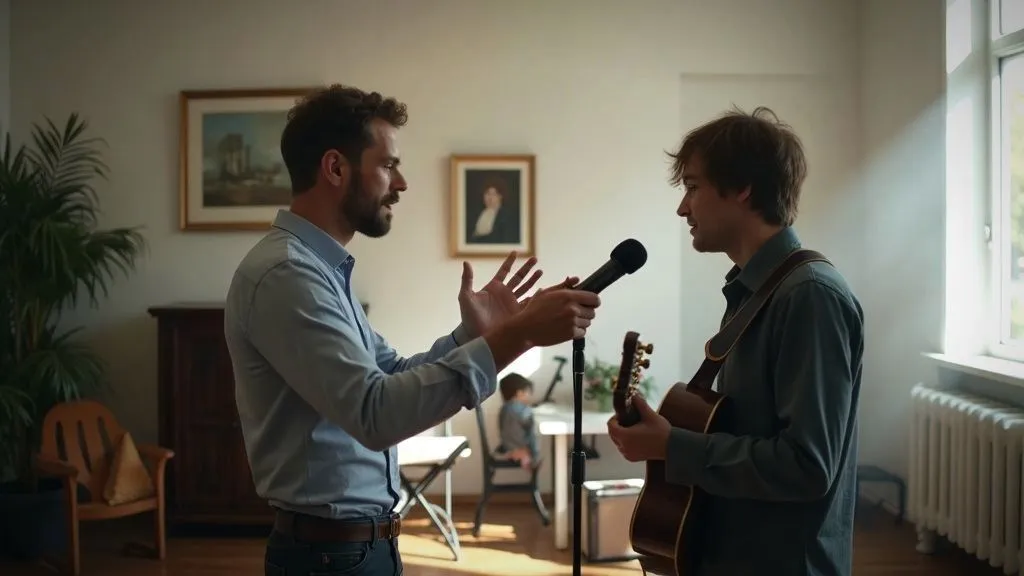
Miking for television is an art form that goes beyond simply placing a microphone in front of a speaker. In the world of music production, especially with the rise of live broadcasts and reality shows, audio engineers face the challenge of capturing sound in dynamic environments. To better understand the nuances of miking for TV, we can explore an interesting case study that showcases innovative techniques used by professionals in the field.
The Importance of Quality Sound in Television
While visuals are vital in TV production, the audio is equally crucial. Imagine watching a captivating show only to be frustrated by poor sound quality. Clear, high-quality audio enhances the viewer’s experience, immersing them in the program’s narrative. For this reason, television sound engineers are constantly on the lookout for new strategies to ensure crystal-clear audio while maintaining mobility and versatility.
A Unique Case Study: The Use of Lavalier Microphones in Reality Television
One notable example of effective miking techniques can be found in the realm of reality television, where capturing candid moments is essential. In shows like “Survivor” or “The Amazing Race,” producers face the challenge of miking participants in unpredictable environments—often outdoors and while they are on the move. The use of lavalier microphones, or “lapel mics,” has become a standard in this genre due to their size and versatility.
What is a Lavalier Microphone?
A lavalier microphone is a small, clip-on microphone that can be discreetly attached to the clothing of a subject. They are ideal for capturing dialogue without the bulk of handheld microphones, providing freedom of movement. The primary advantage of lavalier mics is their ability to maintain a close proximity to the speaker’s mouth, resulting in clearer audio capture.
The Setup Process
In reality TV production, setting up lavalier microphones requires careful planning. Producers must consider the logistics of the location, the wardrobe of the participants, and the potential for interference. Here’s how the process typically unfolds:
-
Pre-Production Planning: Before filming begins, sound engineers meet with the production team to discuss the show’s requirements. They analyze scripts, identify key moments that need audio capture, and plan microphone placements.
-
Choosing the Right Equipment: Not all lavalier microphones are created equal. Engineers select microphones based on the environment—outdoor shows may benefit from windshields, while shows filmed in louder settings might require high-SPL (sound pressure level) handling microphones.
-
Attaching the Microphone: The lavalier mic is attached to the participant’s clothing, often near the collar or on a lapel. This placement minimizes rustling sounds while still capturing clear audio. Microphone placement is essential; it should be close enough to the mouth to pick up sound without being too noticeable.
-
Wireless Transmission: To avoid cables getting tangled or caught while participants move, most lavalier setups for TV are wireless. A small transmitter is hidden in the participant’s clothing, sending audio signals to a receiver with the production crew, allowing for seamless mobility.
Challenges with Lavalier Microphones
While lavalier microphones are indispensable, they come with their own set of challenges. One significant issue is handling noise. Participants often move around or adjust their clothing, which can introduce unwanted sounds. To combat this, sound engineers train participants on how to move while minimizing mic interference.
Another challenge is the environment itself. In outdoor settings, wind noise can be a major concern. To mitigate this, engineers use specific windshields designed for lavalier mics, which can help reduce unwanted noise without sacrificing audio quality.
Mixing and Post-Production
Once filming is complete, the recorded audio undergoes mixing and editing to achieve the final product. During the mix, sound engineers balance levels, remove any unwanted noise, and ensure clarity of dialogue.
-
Dialogue Editing: Engineers typically focus on dialogue first, cleaning up any issues caused by mic placement or environmental noise. They might employ software tools to enhance vocal clarity, lower background noise, and even add effects to make the dialogue sound more natural.
-
Sound Design: After dialogue is polished, sound engineers introduce additional audio elements, including sound effects and ambient noise. This layering creates a rich audio experience that complements the visuals, making the show more engaging.
-
Final Mixing: The last step is the final mix, where all the audio elements are balanced. Engineers adjust the sound levels so that dialogue is always clear, and any background sounds enhance rather than distract from the main action.
Conclusion: The Art of Miking for TV
The case study of lavalier microphones in reality television demonstrates the care and creativity needed in the art of miking for TV. These small yet powerful tools, when used correctly, can transform audio quality and enhance the viewer’s experience.
As technology continues to evolve, so too will the techniques employed by sound engineers in television production. Understanding the importance of miking methods is key for anyone venturing into the field of music production or sound engineering. The next time you watch a reality show, take a moment to appreciate the intricate work behind the scenes that makes the audio captivating and seamless.