
The Essential Guide to Pop-Up Studios: Revolutionizing Music Production
By Sophie Andersen · · 4 min read
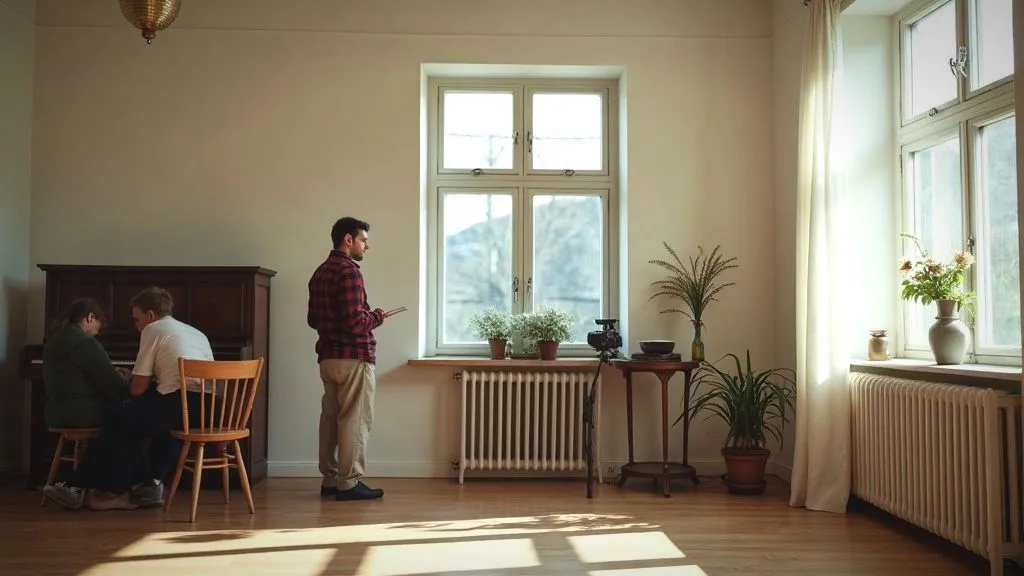
Pop-up studios are transforming the landscape of music production, offering unprecedented flexibility and accessibility for artists and producers alike. This innovative approach to creating music has gained traction in recent years, attracting both seasoned professionals and emerging talents. In this article, we will explore what pop-up studios are, their advantages, challenges, and how they can enhance the music production process.
What is a Pop-Up Studio?
A pop-up studio is a temporary music recording space set up in unconventional locations. Unlike traditional studios, which are often fixed in one location, pop-up studios can be established in various environments, including warehouses, outdoor spaces, or even the artist’s home. This flexibility allows producers and musicians to create music in unique settings that inspire creativity and offer a fresh perspective.
The Evolution of Music Production Spaces
The concept of pop-up studios is not entirely new. Historically, musicians have recorded in makeshift environments, from living rooms to basements. However, the rise of technology and the increasing demand for affordable recording solutions have propelled the pop-up studio trend into the mainstream. With advancements in portable recording equipment and software, artists can now produce high-quality music without the constraints of a traditional studio.
Advantages of Pop-Up Studios
Flexibility and Accessibility
One of the most significant advantages of pop-up studios is their flexibility. Artists can choose locations that resonate with their creative vision, whether it’s a serene countryside backdrop or an urban environment. This adaptability can lead to innovative sounds and unique recordings that might not arise in a conventional setting.
Moreover, pop-up studios often reduce the financial burden of studio time. Many emerging artists may lack the budget for expensive studio rentals, and pop-up setups can provide a cost-effective solution. By leveraging existing spaces and portable equipment, producers can create professional-quality recordings without breaking the bank.
Fostering Collaboration
Pop-up studios also encourage collaboration among musicians and producers. By setting up in different locations, artists can invite peers to join them in the creative process. This spontaneous environment fosters musical experimentation and collaboration, allowing for diverse influences and ideas to flourish.
Additionally, pop-up studios can host workshops, community events, and jam sessions, creating a vibrant atmosphere that nurtures talent. These collaborative opportunities can lead to unexpected partnerships and projects, enriching the music community.
Enhanced Creativity
The environment in which music is created plays a crucial role in the artistic process. Pop-up studios offer a fresh ambiance that can invigorate creativity. Being in a new setting can inspire artists to break away from their usual patterns and explore new sounds and styles. This change of scenery can also motivate them to take risks and experiment with their music, ultimately resulting in more authentic and innovative work.
Challenges of Pop-Up Studios
Logistical Considerations
While pop-up studios offer numerous benefits, they come with their own set of challenges. One of the primary concerns is logistics. Setting up a studio in a temporary location requires careful planning and organization. Producers must ensure that they have all necessary equipment, from microphones to soundproofing materials, and that these items are easily transportable.
Additionally, securing a suitable location can be a hurdle. Not every space is conducive to music production, and finding a place that balances aesthetics and functionality can be difficult. Furthermore, artists must consider factors such as noise restrictions, accessibility, and power supply when selecting a venue.
Technical Limitations
While portable recording equipment has come a long way, it may not always match the sound quality of traditional studio setups. Producers using pop-up studios must be adept at maximizing their available resources, sometimes sacrificing certain features or sound fidelity.
Moreover, without the proper acoustics found in dedicated studios, achieving a polished sound can be more challenging. Producers need to be resourceful in using the environment to their advantage, manipulating natural acoustics and sound isolation techniques to enhance their recordings.
Making the Most of a Pop-Up Studio
Preparation is Key
To ensure a successful pop-up studio experience, preparation is crucial. Before setting up, producers should assess the chosen location and plan accordingly. This includes scouting the space for acoustics, lighting, and necessary amenities. Additionally, having a well-defined project outline and schedule can help keep the creative process on track.
Embrace the Environment
Artists should embrace the uniqueness of their recording environment. Each location offers its own character, which can significantly influence the final product. Whether it’s the natural reverb of an empty warehouse or the ambient sounds of a bustling street, these elements can add depth and authenticity to the music.
Foster Communication
Collaboration is at the heart of pop-up studios. Producers should encourage open communication among all participants, ensuring that every voice is heard. This collaborative spirit not only nurtures creativity but also strengthens relationships among artists and producers, paving the way for future collaborations.
Conclusion
Pop-up studios are reshaping the music production landscape by providing flexibility, accessibility, and new creative opportunities. While they come with their own set of challenges, the potential for innovation and collaboration makes them an appealing choice for artists and producers. As the music industry continues to evolve, embracing the pop-up studio trend may lead to more diverse and exciting soundscapes, ultimately enriching the way we experience music. Whether you’re an established producer or an aspiring musician, exploring this trend could open doors to new creative avenues and collaborations.