
The Microphone Angle Dilemma: Why Do We Point It Downward in Recording?
By Sophie Andersen · · 4 min read
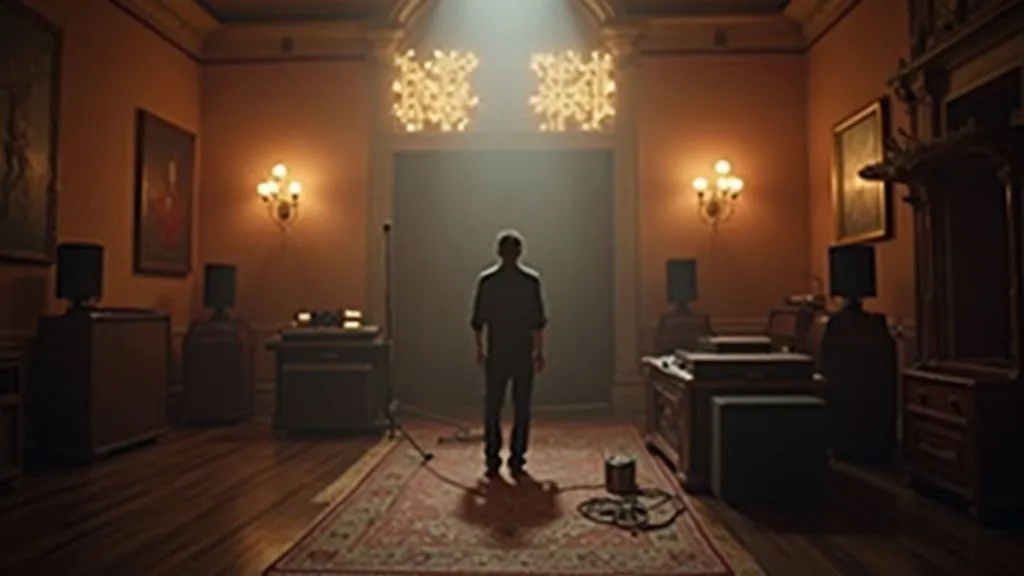
In the realm of music production, every detail matters—from the choice of instruments to the positioning of microphones. One technique that often sparks debate among engineers and producers alike is the habit of raising the microphone up and pointing it down during recording sessions. While this method may seem trivial, it’s essential to understand its implications, advantages, and potential drawbacks.
Understanding Microphone Directionality
Before diving into this particular technique, it’s crucial to grasp the basics of microphone directionality. Microphones can be omnidirectional, unidirectional (like cardioid), or bidirectional (figure-eight). These directional characteristics dictate how microphones capture sound from various angles.
Omnidirectional vs. Unidirectional
Omnidirectional microphones pick up sound equally from all directions, making them ideal for capturing ambient sounds or group vocals. On the other hand, unidirectional microphones are designed to pick up sound predominantly from one direction, which helps isolate the intended sound source from background noise. According to Wikipedia, the choice of microphone type can significantly influence the recording outcome.
The Physics Behind the Downward Angle
The practice of raising the microphone and pointing it downward often stems from acoustic physics. When a sound source, such as a vocalist or an instrument, is recorded, the angle at which the microphone captures sound can affect its tonal quality.
Proximity Effect
One of the main considerations is the “proximity effect.” This phenomenon occurs when a microphone is placed very close to a sound source, often resulting in an enhanced bass response. By angling the microphone downward, producers can control the distance and angle, managing the proximity effect more effectively. This can be particularly useful in vocal recordings, adding warmth without overly accentuating low frequencies.
Airflow and Plosives
Another reason for the downward angle involves airflow. When vocalists pronounce plosive sounds (like “p” and “b”), they can produce bursts of air that may create unwanted distortion or popping sounds in the recording. Positioning the microphone above the mouth and angling it downward helps mitigate these plosive sounds, as the microphone is less likely to directly face the airflow generated.
Advantages of the Downward Angle Technique
Enhanced Clarity
One of the most significant benefits of raising the microphone and pointing it downward is the enhanced clarity it can provide. This technique allows the microphone to capture the natural tone of the voice or instrument while minimizing unwanted noise. The downward angle can also help isolate the desired frequencies, providing a cleaner mix.
Improved Dynamics
When a microphone is positioned appropriately, it can help to capture the dynamics of a performance more effectively. The downward angle allows sound engineers to take advantage of the natural projection of the sound source. For vocals, this can translate into a more dynamic performance, making it easier for producers to mix the track.
Versatility
This technique isn’t just limited to vocal recordings. Many producers have found that angling microphones downward works well for various instruments, such as acoustic guitars or brass instruments. The versatility of this approach can lead to a more professional sound across different genres.
Drawbacks to Consider
Limited Capturing of Ambient Sound
While the downward angle may work well for isolating sounds, it can also limit the capture of ambient sounds in the recording environment. If a producer seeks to create a specific atmosphere or sense of space, a more standard microphone position may be preferable.
Risk of Over-Processing
Another potential drawback is the risk of over-processing. When you rely heavily on a specific mic angle, you may become accustomed to the sound it produces. This can lead to less experimentation and creativity, resulting in a more formulaic approach to recording.
Best Practices for Microphone Positioning
To maximize the benefits of the upward and downward microphone technique, consider these best practices:
Experiment and Listen
Every recording session is unique. Don’t hesitate to experiment with various angles and distances. Listen critically to the playback and make adjustments based on the tonal quality and dynamics you want to achieve.
Use Quality Equipment
Quality microphones and preamps can significantly affect the outcome of your recordings. Investing in good equipment will provide you with a better starting point, making it easier to achieve the desired sound regardless of microphone positioning.
Balance with Other Techniques
While the downward angle can be effective, it should be used in conjunction with other recording techniques. Consider factors such as room acoustics, mic choice, and post-processing methods to create a more polished final product.
Conclusion
The habit of raising the microphone and pointing it downward has its roots in acoustic principles and practical recording techniques. While this method has its advantages—such as enhanced clarity and improved dynamics—it’s also essential to remain flexible and adaptable in your recording approach. Understanding the physics behind microphone directionality and the potential impacts on sound quality can help producers and engineers achieve the best results in their recordings.
For further reading on microphone technique and sound engineering concepts, consider visiting resources like the Audio Engineering Society or Sound on Sound. Always remember, the best results often come from a combination of science, skill, and a dash of creativity. Happy recording!