
Enhance Your Recordings: Mastering the Natural Echo Chamber Technique
By Sophie Andersen · · 4 min read
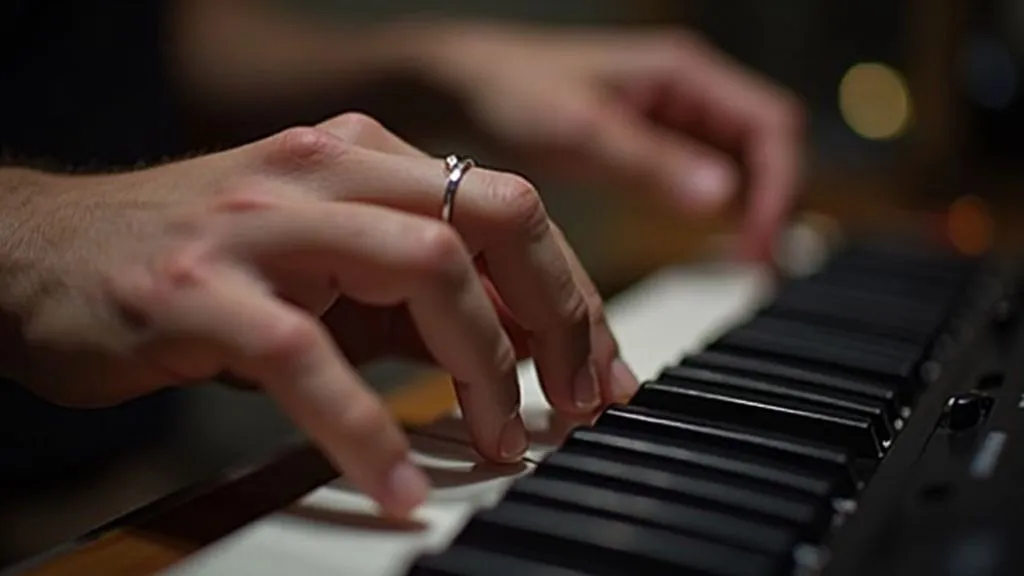
Creating a rich, immersive sound in music production is an art form that combines technical skills and creative intuition. One method that has stood the test of time is the natural echo chamber technique. This approach uses physical space to add depth and resonance to recordings, contrasting the more common digital reverb effects. By understanding how to utilize echo chambers effectively, you can elevate the quality of your recordings and bring a unique character to your music.
What Is a Natural Echo Chamber?
An echo chamber is a space designed to reflect sound waves, creating a natural reverb effect. Unlike digital reverb plugins, which simulate reverberation, a natural echo chamber delivers a sonic experience that is organic and often more pleasing to the ear. Historically, studios have utilized various spaces, from dedicated echo chambers to large rooms or even stairwells, to achieve this effect.
The science behind an echo chamber lies in its ability to reflect sound. When a sound wave travels through the air, it bounces off surfaces, producing a delayed, layered effect that enriches the original sound. This phenomenon can be observed in many famous recordings, including works by artists like The Beatles and Pink Floyd, who explored echo chambers to enhance their music.
Building Your Echo Chamber
Choosing the Right Space
The first step in utilizing a natural echo chamber is identifying an appropriate space. The ideal echo chamber should have:
-
Hard surfaces: Walls made of concrete, tile, or brick will reflect sound more effectively than soft surfaces like carpet or curtains.
-
Controlled dimensions: Rooms that are not too large or irregularly shaped work best, as this helps manage the sound waves and prevents muddiness.
-
Varying heights: A space with different ceiling heights can create interesting reflections and add complexity to the reverb.
Consider using spaces like empty basements, stairwells, or even large bathrooms for a natural echo effect. It’s essential to experiment with various locations to find the one that complements your sound best.
Setting Up Microphones
Once you’ve chosen your echo chamber, it’s time to set up your microphones. Here are some tips:
-
Positioning: Place your microphone at various distances from the sound source. Closer miking captures more direct sound, while farther placements emphasize the reverb. Experiment with different angles to find the best spots for capturing the reflections.
-
Type of Microphone: Dynamic microphones are ideal for louder sources, while condenser microphones can capture more detail in softer sounds. The choice depends on the instrumentation and the desired effect.
-
Phase Considerations: Be mindful of phase issues when combining direct and reflected sound. It may be necessary to adjust the levels or positions of your mics to ensure clarity in the final mix.
Recording Techniques
Capturing the Sound
When recording in an echo chamber, the goal is to capture the essence of both the direct sound and the reflections. Here’s how to do it effectively:
-
Play with Dynamics: Consider how the dynamics of your performance interact with the space. Softer passages can allow the echo to shine through, while louder sections may require adjustments to the gain levels to avoid distortion.
-
Layering Tracks: Record multiple takes of the same part and layer them. This technique not only adds richness but also enhances the spatial qualities of your echo chamber effect.
-
Using Effects Sparingly: While the echo chamber provides a natural reverb, you can enhance your recordings with subtle post-production effects. A light touch of digital reverb can help polish the sound without overwhelming the natural characteristics captured.
Monitoring the Sound
It’s crucial to monitor your recordings in real-time. Use headphones to listen closely to the effects of the echo chamber. This practice allows for immediate adjustment of levels and placements, ensuring that you capture the desired sound quality.
Mixing and Finalizing Your Recording
Balancing Levels
After recording, the mixing process is where you can fine-tune the natural echo. Here are some strategies to consider:
-
EQ Adjustments: Use equalization to balance frequencies. Sometimes, echo can muddy lower frequencies, so consider cutting unnecessary lows or enhancing the mid-range to bring clarity.
-
Level Balancing: Ensure that the direct sound and the echoed sound are well-balanced. You may want the direct sound to be prominent while allowing the echoes to support and enhance the overall mix.
-
Automation: Utilize volume automation to create dynamic shifts in your mix. This technique can help emphasize certain sections where the echo enhances the emotional impact of the song.
Final Touches
Once you’re satisfied with the balance and clarity, it’s time for the final touches. You might consider adding compression to glue the sound together, creating a cohesive sonic experience. Additionally, don’t forget to reference your mix against professional tracks to ensure it stands up well in terms of quality and sonic characteristics.
Conclusion
The natural echo chamber technique can significantly enhance your recordings, providing a depth and richness that digital alternatives often lack. By carefully selecting your space, setting up your microphones thoughtfully, and applying effective mixing techniques, you can create recordings that resonate with listeners.
For further reading on the science of sound and echo chambers, check out the Wikipedia page on Reverb. Additionally, resources like Sound on Sound and Recording Magazine offer invaluable insights into various recording techniques.
Embrace the art of echo chambers, and let your creativity unfold as you explore this timeless music production method.