
Exploring the Evolution of Music Production: From Analog to Digital Mastery
By Sophie Andersen · · 4 min read
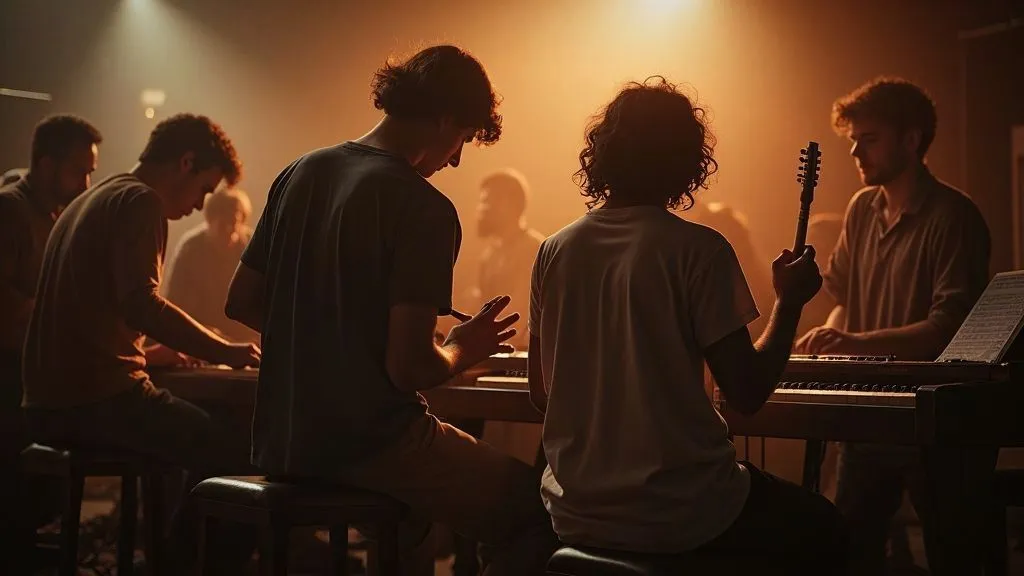
The world of music production has undergone a remarkable transformation over the decades. As technology continues to evolve, so too does the art of creating music. From the early days of analog recording to the sophisticated digital techniques used today, the landscape of music production is a fascinating journey that reflects broader changes in technology and culture. This article delves into the evolution of music production, highlighting key milestones, influential figures, and the implications of these developments for artists and producers alike.
The Birth of Recording: Analog Era
The journey of music production began in the late 19th century with the advent of sound recording. The first significant breakthrough was Thomas Edison’s phonograph in 1877, which allowed sound to be captured on a physical medium. This innovation laid the groundwork for the recording industry.
In the early to mid-20th century, the introduction of magnetic tape revolutionized sound recording. Engineers like Les Paul and Bing Crosby were pioneers in experimenting with multi-track recording, which allowed them to layer different sounds and instruments. This led to the creation of iconic recordings and set the stage for modern music production.
For an in-depth exploration of early recording techniques, you can refer to Wikipedia’s entry on sound recording.
The Rise of the Studio System
As recording technology advanced, the role of the recording studio began to solidify. The 1960s and 1970s heralded the golden age of studio innovation. Producers like George Martin, known for his work with The Beatles, pioneered new techniques that included the use of reverb, equalization, and overdubbing. The studio became a creative space where sound could be sculpted and manipulated.
With the introduction of large-format mixing consoles and professional recording equipment, studios became more accessible to musicians, albeit still expensive. This era gave birth to legendary albums and established the producer’s role as a crucial part of the music-making process. The tension between artistic vision and commercial viability often defined this period.
The Digital Revolution
The 1980s marked the onset of the digital revolution in music production. The introduction of the Compact Disc (CD) changed how music was consumed, but it also influenced how it was produced. Digital Audio Workstations (DAWs) began to emerge, allowing producers to record, edit, and mix music on computers. Programs like Pro Tools revolutionized the industry, making it possible to manipulate sound with unprecedented precision.
As technology improved, so did the accessibility of music production. Home studios began to proliferate, allowing aspiring musicians to produce high-quality recordings without the need for expensive studio time. This shift democratized music production, fostering a new wave of independent artists and producers.
For a comprehensive overview of the impact of digital technology in music, check out this resource from Berklee College of Music.
The Impact of Technology on Music Production
Accessibility and Affordability
One of the most significant changes in music production is the increased accessibility for artists of all backgrounds. Affordable software and hardware have empowered individuals to produce music at home. With just a computer, an audio interface, and a microphone, anyone can start recording. This has led to a surge in diverse voices in the music industry, challenging traditional gatekeeping practices.
The Role of the Producer
The role of the producer has evolved alongside these technological advancements. No longer confined to the studio, modern producers often collaborate remotely with artists, using cloud-based platforms to share and edit projects. This flexibility has resulted in innovative collaborations across genres and geographical boundaries.
Furthermore, the rise of social media platforms has allowed producers to build their brands and reach audiences directly. They can showcase their work, provide tutorials, and engage with fans, creating a community around their artistry.
The Sound of the Future
As music production continues to evolve, emerging technologies like artificial intelligence (AI) and virtual reality (VR) are beginning to play a role. AI-driven tools can assist in composition, mixing, and mastering, potentially speeding up the production process and helping artists explore new creative avenues. However, this raises questions about authorship and the nature of creativity in music.
VR has also started to make waves, offering immersive experiences that blend music with visual artistry. The potential for interactive performances and the ability to visualize sound in three-dimensional space are exciting frontiers for music producers.
Challenges in the Modern Music Landscape
While the evolution of music production has opened doors, it has also introduced challenges. The sheer volume of content produced today makes it difficult for artists to stand out. The ease of access can lead to oversaturation, where quality can sometimes take a backseat to quantity.
Moreover, the business side of music has become increasingly complex. Streaming services have changed how artists monetize their work, leading to debates about fair compensation. Producers and artists need to navigate this landscape carefully to ensure sustainability and success.
Conclusion: The Future of Music Production
The evolution of music production from analog to digital has been a remarkable journey filled with innovation and creativity. As technology continues to advance, the possibilities for music production seem limitless.
Producers and artists today have access to tools that previous generations could only dream of, enabling them to push the boundaries of creativity. Yet, alongside these opportunities come challenges that require adaptation and resilience.
The future of music production lies in embracing technology while staying true to the artistry that makes music a universal language. As we look ahead, one thing remains clear: the art of music production will continue to evolve, reflecting the changing dynamics of society and culture.
For more insights on the future of music production, consider exploring the latest trends discussed by the International Music Summit.