
The Essential Role of Music Producers in Shaping Modern Soundtracks
By Sophie Andersen · · 4 min read
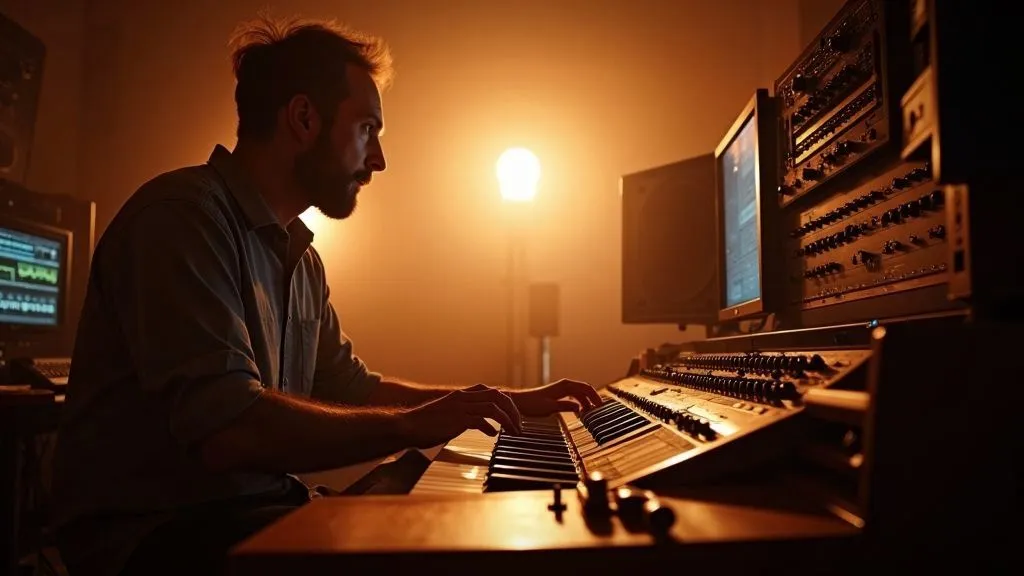
Music production stands as a nuanced and compelling field, blending artistry with technical expertise. The role of a music producer, a crucial element in this process, often goes unnoticed by the casual listener. This article delves into the multifaceted responsibilities of music producers, their creative influence, and how they contribute to the evolution of contemporary music.
Understanding the Music Producer’s Role
A music producer wears many hats—creative visionary, project manager, and sometimes even a mentor for artists. Their primary responsibility is to oversee the recording and production process of songs and albums. But what does this entail?
Pre-Production: Laying the Groundwork
Before any recording commences, a producer engages in pre-production activities to establish a roadmap for the project. This phase includes:
- Song Selection: Working with artists to choose the right songs or even co-writing material.
- Arrangements: Deciding on the musical structure, instrumentation, and overall sound. This might involve collaborating with arrangers or other musicians.
- Budgeting: Determining the financial aspects of the project, including studio time, hiring musicians, and more.
Producers often rely on their industry knowledge to guide artists in making strategic decisions that can affect the project’s success. According to the Berklee College of Music, a strong pre-production phase can significantly enhance the final product.
The Recording Process: Crafting the Sound
Once pre-production is complete, the actual recording begins. During this stage, the producer is deeply involved in the technical and creative aspects:
- Session Management: Coordinating recording sessions, ensuring that artists and musicians are prepared, and maintaining a productive environment.
- Sound Engineering: Working closely with sound engineers to capture the best possible sound. This includes mic placement, EQ adjustments, and monitoring the recording quality.
- Artistic Guidance: Providing feedback to artists during recording sessions to refine their performances. This can involve suggesting vocal delivery changes, encouraging improvisation, or making decisions on instrumental solos.
The producer’s ability to communicate effectively with artists and engineers is essential for creating a cohesive sound. Notably, a producer’s insight can often lead to unexpected breakthroughs in a track’s development.
Post-Production: Polishing the Product
After all recordings are completed, the process shifts to post-production. Here, the magic of mixing and mastering occurs:
- Mixing: Balancing the various tracks to ensure each element is heard clearly. This involves adjusting volume levels, panning, and adding effects like reverb or delay.
- Mastering: The final stage where the mixed track is polished for distribution. This process enhances the sound quality and ensures it translates well across different playback systems.
Producers often collaborate with mastering engineers, who specialize in this final step, to achieve a polished and professional sound.
The Creative Influence of Producers
While artists are the face of the music, producers often shape the direction of a project. Their creative influence can be seen through various successful collaborations:
Pioneering Sound
Producers like Quincy Jones and Rick Rubin have played instrumental roles in not just producing but also in innovating musical styles. For instance, Jones helped bridge genres with his work on Michael Jackson’s albums, while Rubin is known for his ability to blend rock and hip-hop elements seamlessly. Their unique approaches have led to some of the most celebrated records in history.
Cultivating Talent
Producers also take on the role of mentors, nurturing emerging artists and helping them find their unique sound. This mentorship can significantly elevate an artist’s career trajectory. For example, Butch Vig, producer of Nirvana’s “Nevermind,” not only shaped the sound of grunge but also supported many artists in developing their identities.
The Changing Landscape of Music Production
As technology continues to evolve, so does the role of the music producer. The rise of digital audio workstations (DAWs) and affordable recording equipment has democratized music production, allowing independent artists to produce high-quality sound from home studios. However, this shift also presents new challenges and opportunities for producers.
The DIY Movement
With many artists choosing to self-produce, the role of producers may seem diminished. Yet, seasoned producers still offer invaluable expertise in areas like songwriting, arrangement, and overall artistic vision. They can provide a level of polish that independent artists may struggle to achieve alone. The collaboration between DIY artists and professional producers has given rise to a dynamic environment where innovation thrives.
Remote Collaboration
The COVID-19 pandemic accelerated the trend of remote collaboration in music production. Producers and artists now often work together digitally, utilizing cloud-based tools to create and share music. This flexibility has expanded the geographic reach of collaborations, allowing for diverse influences and styles to blend.
Conclusion: The Unseen Architects of Music
In summary, music producers are the unseen architects behind the sounds we love. Their multifaceted roles encompass everything from the initial creative spark to the final polish of a track. As the industry continues to evolve, the importance of skilled producers remains ever-present. They not only shape the soundscapes of today but also influence the future direction of music.
For more insight into the world of music production and the evolving roles of its professionals, resources like the Recording Academy and the American Association of Independent Music provide valuable information and industry updates. Understanding the complexities of music production enriches our appreciation for the music we enjoy and the talented individuals who create it.