
Navigating the World of Professional Audio: A Brief Introduction
By Sophie Andersen · · 4 min read
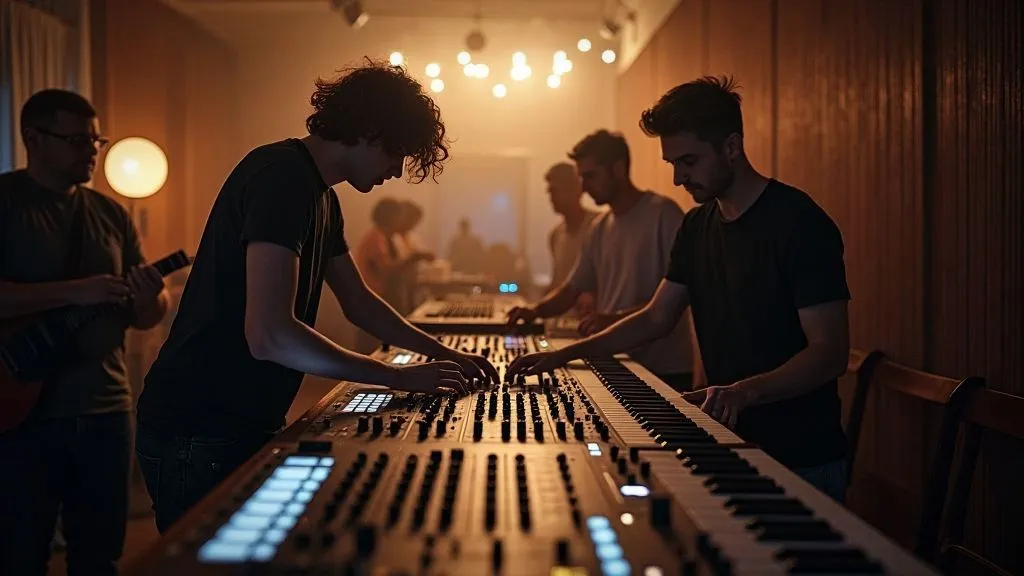
The realm of professional audio is a captivating and diverse field that encompasses everything from sound recording and mixing to live sound engineering and audio post-production. Whether you’re drawn to the artistic aspects of music production or the technical intricacies of sound design, working in professional audio presents a variety of career opportunities. This article aims to provide an overview of the industry, essential skills, and avenues for exploration within this dynamic environment.
Understanding Professional Audio
What is Professional Audio?
At its core, professional audio refers to high-quality sound production and reproduction that meets industry standards. Various sectors utilize professional audio, including music, film, television, gaming, and broadcasting. The goal is to create an immersive and engaging auditory experience that enhances the visual or emotional impact of a project.
Professional audio encompasses several disciplines: recording, mixing, mastering, and sound design. Each area has its own tools, techniques, and challenges, making it a multifaceted profession that appeals to a wide range of talents and interests.
Key Areas of Work
-
Recording Engineering: Recording engineers are responsible for capturing sound. They work with artists in studios or on location to ensure that the performances are documented with precision. This role requires a strong understanding of microphones, acoustics, and signal flow, as well as proficiency in recording software.
-
Mixing Engineering: Mixing engineers take recorded tracks and blend them into a cohesive final product. This process requires a keen ear for detail and an understanding of frequency ranges, dynamics, and stereo imaging. Mixing is not just about balancing levels; it’s also about adding effects to create depth and emotion.
-
Mastering Engineering: The final stage of audio production involves mastering. Mastering engineers prepare the final mix for distribution, ensuring it sounds polished and consistent across various playback systems. This process often involves equalization, compression, and limiting to achieve a competitive sound.
-
Sound Design: In film and gaming, sound design plays a crucial role in creating mood and atmosphere. Sound designers work with dialogue, effects, and background scores to enhance the storytelling experience. This role often involves using software synthesizers and samplers to craft unique sounds.
-
Live Sound Engineering: Live sound engineers manage sound for concerts and events. They set up sound systems, monitor audio levels during performances, and troubleshoot issues on the fly. This role requires quick thinking and adaptability, as live environments can change rapidly.
Essential Skills for Professional Audio
Technical Proficiency
A strong foundation in audio technology is essential. This includes understanding digital audio workstations (DAWs), audio interfaces, microphones, and digital signal processing. Familiarity with software such as Pro Tools, Logic Pro, or Ableton Live can give you a significant advantage in the industry.
Critical Listening
Being able to critically listen to audio is a skill that separates good engineers from great ones. This involves recognizing tonal imbalances, dynamic inconsistencies, and other nuances that can affect the overall sound. Developing this skill takes time and practice, often through analyzing professional recordings and experimenting with your own projects.
Collaboration and Communication
Working in professional audio often means collaborating with artists, producers, and other engineers. Clear communication is essential for understanding project goals and providing constructive feedback. Building strong relationships in this industry can also lead to more opportunities and referrals.
Problem-Solving Abilities
Whether you’re managing a live sound setup or troubleshooting a recording issue, strong problem-solving skills are vital. Being able to think on your feet and devise solutions is a key part of the job, particularly in high-pressure situations.
Education and Training
Formal Education
While some audio professionals are self-taught, many opt for formal education. Numerous colleges and universities offer degrees in audio engineering, music production, or related fields. These programs provide hands-on experience with industry-standard equipment and software. Schools like Berklee College of Music and Full Sail University are known for their music production programs.
Online Courses and Resources
In addition to traditional education, numerous online platforms offer courses and resources for aspiring audio professionals. Websites like Coursera, Udemy, and LinkedIn Learning provide valuable tutorials on various aspects of audio production. Furthermore, forums and communities such as Gearslutz and Reddit’s r/audioengineering can offer insights and support as you develop your skills.
Internships and Entry-Level Positions
Gaining practical experience is crucial for breaking into the industry. Look for internships or entry-level positions at recording studios, radio stations, or live event companies. These opportunities allow you to learn from experienced professionals while building your network.
Finding Your Niche
Exploring Different Genres
The music industry is incredibly diverse, spanning genres from classical and jazz to hip-hop and electronic music. Each genre has its own conventions and production techniques. Explore various styles to find what resonates with you, as this can greatly influence your career path.
Industry Trends
Staying informed about current trends in professional audio can also be beneficial. For instance, the rise of remote collaboration tools has transformed how music is produced. Understanding these developments can give you a competitive edge, as many artists now seek professionals who can navigate both traditional and modern workflows.
Conclusion
Working in professional audio is an exciting journey filled with opportunities for creativity and technical mastery. From understanding the intricacies of sound production to honing your collaborative skills, the path to success requires dedication and passion. Whether you’re drawn to recording arts, live sound, or post-production, embracing the breadth of the audio industry can lead to a fulfilling career.
For further exploration, check out resources like the Audio Engineering Society and Sound on Sound, which offer valuable insights and articles to help you navigate your professional audio journey.