
A Comprehensive Guide to Choosing Microphones for Your Home Studio
By Sophie Andersen · · 4 min read
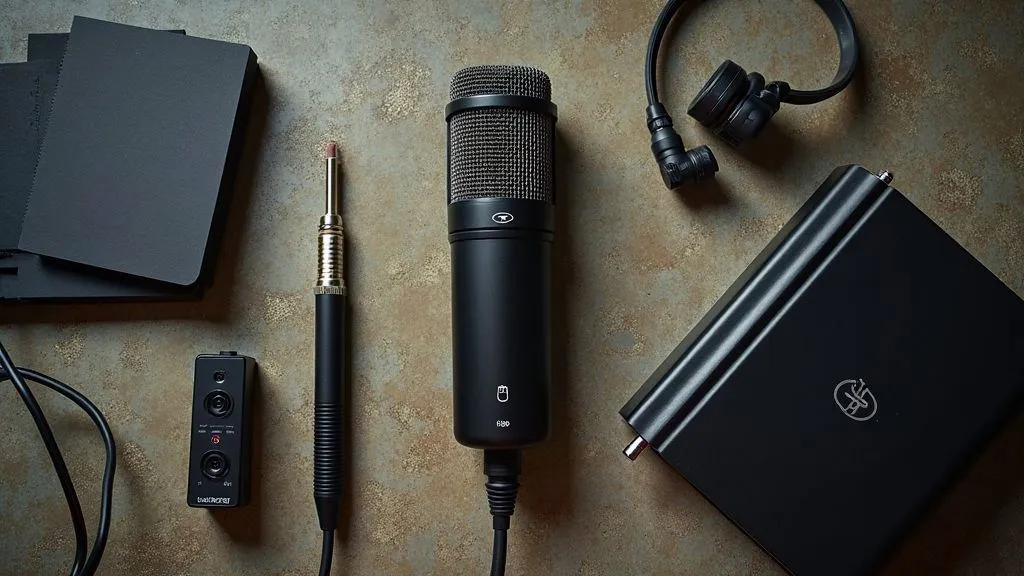
When setting up a home recording studio, choosing the right microphone is critical. Microphones are the gateway through which sound enters your recording environment, and they can significantly influence the quality of your recordings. This article provides an overview of different types of microphones, their characteristics, and how to select the perfect mic for your needs.
Understanding Microphone Basics
Microphones convert sound waves into electrical signals, allowing you to capture vocals and instruments. The key specifications to consider when selecting a microphone are:
-
Polar Patterns: This refers to the directionality of the microphone. Common patterns include cardioid, omnidirectional, and bidirectional. Each pattern has unique characteristics suited for specific recording situations. For instance, cardioid microphones are ideal for isolating sound from a specific source while minimizing background noise.
-
Frequency Response: This indicates how well a microphone can capture various frequencies. A flat frequency response is often desirable for studio use, as it provides a more accurate representation of the sound source.
-
Sensitivity: This measures how effectively a microphone converts sound into an electrical signal. High-sensitivity microphones can capture quieter sounds, making them ideal for delicate instruments or vocals.
-
Dynamic vs. Condenser Microphones: The two main types of microphones are dynamic and condenser. Understanding their differences is essential for selecting the right microphone for your recording needs.
Types of Microphones
Dynamic Microphones
Dynamic microphones are robust and versatile, making them a popular choice for both studio and live settings. They use a diaphragm attached to a coil of wire, placed within a magnetic field.
Advantages of Dynamic Microphones:
- Durability: Built to withstand high sound pressure levels, they can handle loud instruments like drums and guitar amplifiers without distortion.
- Affordability: Generally less expensive than condenser microphones, they are an excellent option for beginners.
- Less Sensitivity to Background Noise: Their directional nature helps isolate the sound source, making them a good choice for untreated recording spaces.
Some well-known dynamic microphones include the Shure SM58, often regarded as the industry standard for vocals, and the Shure SM57, which excels at instrument recordings.
Condenser Microphones
Condenser microphones are known for their sensitivity and detailed sound reproduction. They operate using a thin diaphragm placed close to a backplate, creating an electrical charge that varies with sound vibrations.
Advantages of Condenser Microphones:
- Wide Frequency Response: They capture a broad range of frequencies, making them ideal for vocals, acoustic instruments, and nuanced recording.
- Higher Sensitivity: Their sensitivity allows them to capture subtle details, which is beneficial in a controlled studio environment.
However, condenser microphones are typically more fragile and require phantom power to operate. Popular models include the Audio-Technica AT2020, known for its excellent performance at an affordable price, and the Neumann U87, a professional-grade mic favored by many recording engineers.
Choosing the Right Microphone for Your Needs
Selecting the right microphone for your home recording studio depends on several factors, including the type of recordings you plan to make, your budget, and the acoustics of your space.
For Vocals
If you’re primarily recording vocals, a large-diaphragm condenser microphone is often the best choice due to its ability to capture a warm, rich sound. For those on a budget, options like the Audio-Technica AT2020 or the Rode NT1-A can serve you well.
For Instruments
When recording instruments, the choice of mic can vary based on the type of instrument. For electric guitar amps, a dynamic microphone like the Shure SM57 is a great option. If you’re recording acoustic guitar or strings, a condenser microphone can capture the detail and brightness of these instruments effectively.
For Podcasting or Voiceovers
If your goal is to create podcasts or voiceovers, you’ll want a microphone that delivers clear, articulate sound. A dynamic microphone can work well in untreated environments, while a condenser mic may offer more detail in a well-treated room. The Rode Podcaster is a popular choice among podcasters for its built-in USB output and broadcast-quality sound.
Additional Considerations
Acoustic Treatment
The acoustics of your recording environment can significantly affect your recordings. Even the best microphones will struggle if your room isn’t acoustically treated. Consider adding acoustic panels or using portable sound booths to minimize unwanted reflections and background noise.
Accessories
Investing in the right accessories can enhance your recording experience. A good pop filter will help prevent plosive sounds when recording vocals, while a shock mount can reduce vibrations. A sturdy microphone stand is essential for stable positioning, and a good quality audio interface can improve overall sound quality.
Budget
Your budget will ultimately influence your microphone choices. While premium microphones can deliver exceptional sound quality, there are many affordable options that can perform admirably in a home studio setting. Determine your needs and prioritize features based on your recording goals.
Conclusion
Choosing the right microphone for your home recording studio is a foundational step in achieving high-quality sound. By understanding the different types of microphones, their characteristics, and considering your specific recording needs, you can make an informed choice. With the right equipment and a bit of practice, you can produce professional-sounding recordings that showcase your musical talent.
For deeper dives into microphone technology, consider checking out resources like Wikipedia on Microphones or Sound on Sound’s Guide. Happy recording!