
Mastering the Essentials: A Brief Introduction to Microphone Techniques for Your Home Studio
By Sophie Andersen · · 4 min read
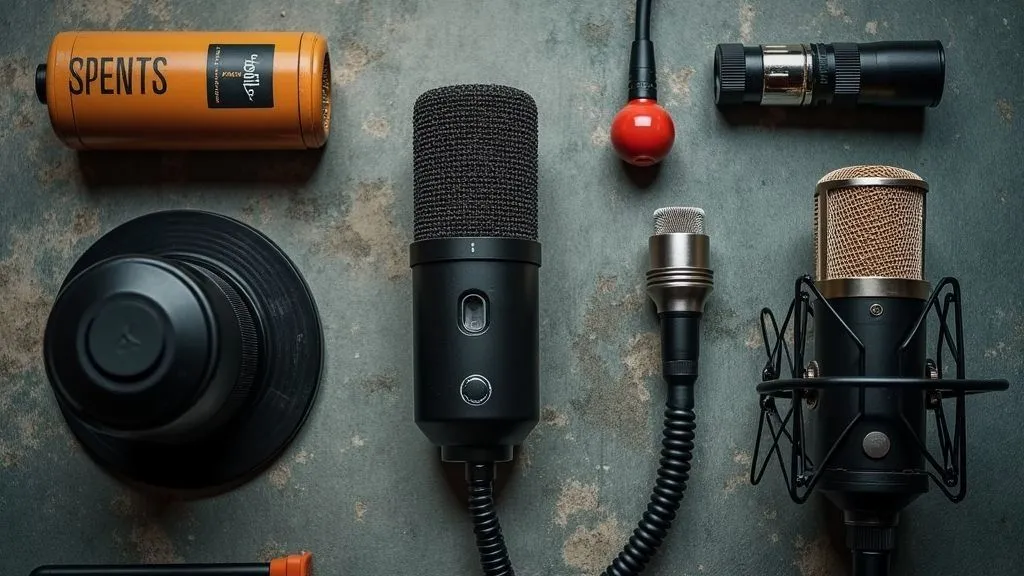
As the music production landscape evolves, more individuals are turning their homes into fully equipped recording studios. With this transition, understanding microphone techniques becomes paramount for achieving quality sound recordings. In this guide, we will explore essential microphone techniques that every home recording enthusiast should consider, ensuring that your music captures the richness and clarity it deserves.
Understanding Microphone Basics
Before diving into techniques, it’s essential to grasp the basic types of microphones and their functions. Generally, microphones can be categorized into two types: dynamic and condenser microphones.
Dynamic Microphones
Dynamic microphones are durable and can handle high sound pressure levels, making them perfect for live performances and instruments such as drums and electric guitars. They work through electromagnetic induction, which allows them to be less sensitive to ambient noise. For more in-depth information, you can visit Wikipedia’s page on dynamic microphones.
Condenser Microphones
In contrast, condenser microphones are more sensitive and capable of capturing a broader frequency range. They require phantom power and are often used for vocals and acoustic instruments in studio settings. This sensitivity allows for capturing the nuances of a performance, making them a favorite among recording engineers. For further understanding, you can refer to Wikipedia’s article on condenser microphones.
Placement Techniques
Once you’ve selected the right microphone type, the next step is to consider its placement. Microphone placement can significantly affect your recording’s sound quality. Here are some strategies to employ:
Distance and Angle
The distance from the sound source and the angle of the microphone can dramatically influence the recorded sound. Generally, a closer placement can enhance the bass response, but it can also lead to unwanted proximity effect, which may emphasize lower frequencies too much. As a rule of thumb, keep the microphone about 6 to 12 inches away from the source for vocals. Experiment with angles; tilting the microphone slightly can help capture a more balanced sound, especially with instruments.
Room Acoustics
The room’s acoustics play a crucial role in how your recordings turn out. Hard surfaces can cause reflections and contribute to a muddy sound. Consider using acoustic panels or bass traps to control reverberation. If you’re recording vocals, try to find a spot with minimal reflective surfaces or use blankets or foam to dampen the sound.
Techniques for Recording Vocals
Capturing vocals can be one of the most challenging aspects of recording, but with the right techniques, you can achieve professional results.
Use of Pop Filters
Plosive sounds, such as “p” and “b,” can cause distortion in recordings. A pop filter, a simple mesh screen placed in front of the microphone, can help diffuse these sounds, ensuring a cleaner recording. This small investment can make a significant difference.
Layering Vocals
Layering is a common technique used in music production to create a fuller sound. Record multiple takes of the same vocal line and pan them across the stereo field. This technique can create a sense of depth and richness in your mix.
Techniques for Instrument Recording
Different instruments require various approaches to microphone placement and settings. Here are some tips for common instruments:
Guitars
For acoustic guitars, try positioning a condenser microphone about 12 inches away, pointing towards the 12th fret. This placement captures both the body and the brightness of the strings. For electric guitars, place a dynamic microphone close to the speaker cone, angled slightly to capture the most present sound while avoiding excessive harshness.
Drums
When recording drums, consider using multiple microphones to capture different elements. A dynamic microphone works well for kick drums, whereas overhead condenser mics can capture cymbals and the overall kit’s ambiance. Experiment with the “Glyn Johns” technique, where you place one overhead mic above the snare and one beside the floor tom, providing a natural stereo image.
EQ and Processing
Once you’ve captured your recordings, the next step involves editing and enhancing your sound. This is where equalization (EQ) and other processing techniques come into play.
Using EQ
Applying EQ can help balance your recordings. For instance, cutting low frequencies can reduce muddiness, while boosting high frequencies can add clarity. Be cautious not to overdo it; subtle adjustments often yield the best results.
Compression
Compression is a vital tool for controlling dynamics. It can help even out volume levels, ensuring that softer parts of a recording are audible while preventing louder parts from clipping. A good starting point is to use a ratio of 3:1 for vocals and 4:1 for instruments, adjusting the threshold according to your specific needs.
Final Thoughts
Understanding microphone techniques is crucial for any home recording studio enthusiast. From selecting the right microphone to employing effective placement strategies, each aspect contributes to the overall sound quality of your recordings. Experimentation is key; what works for one track may not suit another, so be open to trying different approaches.
As you hone your skills, consider exploring additional resources and communities, such as The Recording Academy or Sound on Sound, to deepen your knowledge and connect with fellow music producers.
By implementing these techniques, you can elevate your home recordings and create music that resonates with clarity and professionalism. Happy recording!