
Understanding Microphone Preamplifiers: A Key Component for Home Studios
By Sophie Andersen · · 4 min read
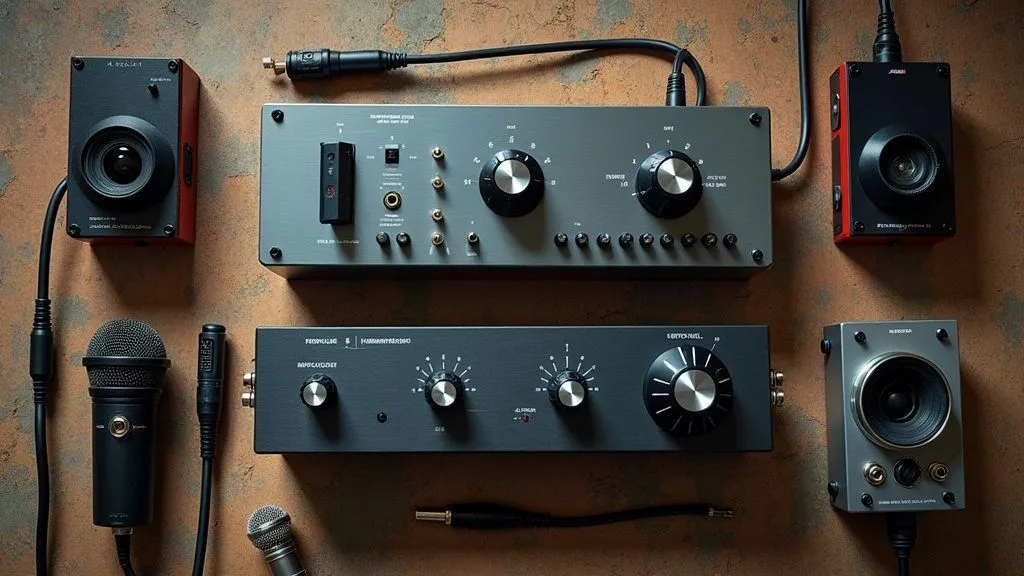
Microphone preamplifiers play a crucial role in the quality of sound recordings, particularly in home studios where professional-grade equipment may not always be available. Understanding what a microphone preamp is, how it works, and its impact on sound can greatly enhance your recording experience. This article will delve into the essentials of microphone preamps, their types, and how to choose the right one for your needs.
What is a Microphone Preamplifier?
At its core, a microphone preamplifier is an electronic device designed to amplify the weak electrical signal generated by a microphone to a level that can be processed by other audio equipment, such as mixers and recording interfaces. Microphones, especially dynamic and ribbon types, often produce very low-level signals that require boosting to achieve an adequate recording level. Without a preamp, these signals would be too quiet to be effectively recorded.
The Importance of Preamplification
The process of preamplification is vital for several reasons:
- Improved Signal Quality: A good preamp can enhance the overall quality of the audio signal, preserving the nuances of the sound source.
- Noise Reduction: Properly designed preamps can minimize noise interference, ensuring that the recorded signal is clean and clear.
- Control Over Dynamics: Preamps often come with gain controls, allowing you to adjust the level of the signal based on the sound source and the desired output.
For those interested in more technical details, the Wikipedia article on audio preamplifiers provides a comprehensive overview of their functions and applications.
Types of Microphone Preamplifiers
Microphone preamps come in various types, each with its characteristics and uses. Understanding these types will help you make an informed decision when setting up your home studio.
Solid-State Preamps
Solid-state preamps use transistors to amplify the audio signal. They are known for their reliability and consistent performance. The sound produced by solid-state preamps is often described as clean and transparent, making them suitable for a wide variety of recording applications. These preamps are typically more affordable and are a popular choice for home studios.
Tube Preamps
Tube preamps utilize vacuum tubes to amplify the signal. They are often favored for their warm, rich tones and harmonic saturation, which can add character to vocal and instrumental recordings. However, tube preamps can be more expensive and require more maintenance than solid-state alternatives. They may also introduce noise if not properly maintained, but many producers appreciate their unique tonal qualities.
Hybrid Preamps
Hybrid preamps combine both solid-state and tube technologies, offering a blend of the clean sound of solid-state units with the warmth of tube preamps. This versatility makes hybrid preamps a great option for those looking to experiment with different sound textures.
Digital Preamps
Digital preamps convert the analog signal into a digital format during the amplification process. These are commonly found in audio interfaces and are ideal for users who want to streamline their setup by minimizing the number of separate devices. Digital preamps often come with additional features, such as built-in effects and signal processing, which can be valuable for modern recording practices.
Key Features to Consider
When choosing a microphone preamp for your home studio, several key features should be taken into account:
Gain Control
The amount of gain a preamp can provide is essential. Look for a preamp that offers sufficient gain for your microphones, especially if you are using low-output microphones like dynamic or ribbon types. Too little gain can lead to a weak signal that lacks presence and clarity.
Phantom Power
If you’re using condenser microphones, which require external power, make sure the preamp provides phantom power (usually +48V). This feature is essential for powering these types of mics and is found in many modern preamps.
Input and Output Options
Consider the types of connections you need. Most preamps offer XLR inputs for microphones, but some also provide additional options such as TRS or even digital outputs like ADAT or USB. Think about how the preamp will fit into your overall recording setup.
Sound Coloration
Different preamps impart various sonic characteristics to the audio. Some may offer a transparent sound, while others add warmth or coloration. It’s essential to choose a preamp that matches your desired sound aesthetic.
Choosing the Right Microphone Preamplifier
Selecting the right preamp for your home studio can be a daunting task given the plethora of options available. Here are some tips to simplify the decision-making process:
-
Assess Your Needs: Consider the types of microphones you will be using and the genres of music you intend to record. A vocal-heavy setup may benefit from a warm tube preamp, while a more versatile approach might call for a solid-state option.
-
Budget: Preamps range in price from affordable to high-end. Set a budget that aligns with your overall studio investment and stick to it. Remember, even budget-friendly preamps can provide excellent sound quality.
-
Try Before You Buy: If possible, test different preamps in a music store or listen to online demos. Hearing the differences in sound can significantly impact your choice.
-
Read Reviews and Seek Recommendations: Look for user reviews and professional opinions on various models. Websites like Sound on Sound provide valuable insights and comparisons.
-
Consider Future Expansion: Choose a preamp that can grow with your studio. If you plan to expand your setup, consider a model with multiple channels or additional features that may come in handy down the line.
Conclusion
Microphone preamplifiers are essential tools for any home recording studio, influencing the quality of sound captured during recording. By understanding the types of preamps, their key features, and how to choose the right one, you can ensure that your recordings are of the highest possible quality. Whether you opt for a solid-state, tube, or hybrid preamp, the right choice will enhance your overall recording experience and help you achieve the sonic clarity you’re aiming for.