
Mastering in the Home Recording Studio: A Comprehensive Guide
By Sophie Andersen · · 4 min read
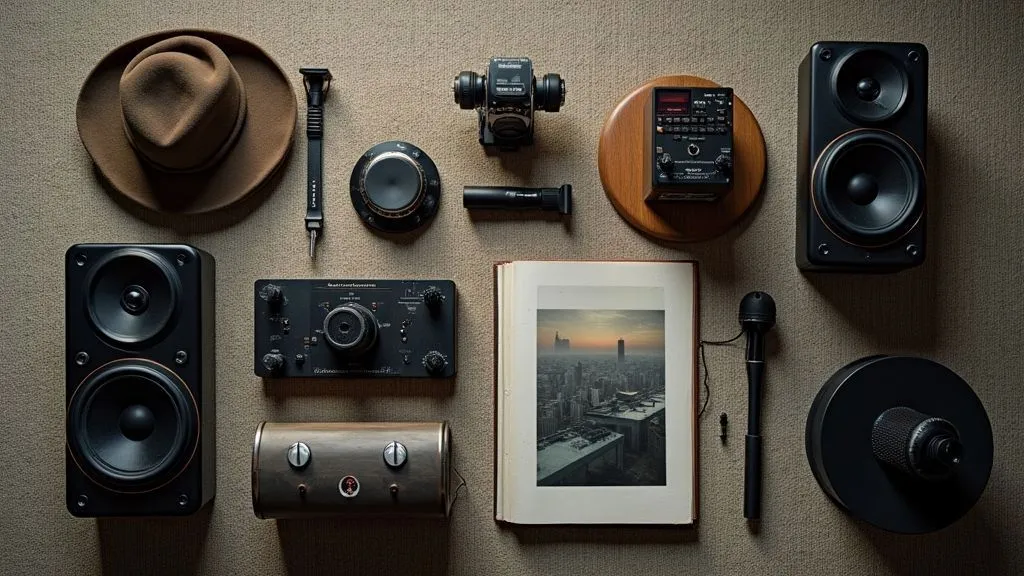
Mastering is an essential step in the music production process that can significantly impact the final sound of your track. While professional mastering engineers often handle this task, advancements in technology have allowed home recording enthusiasts to take on this responsibility themselves. This article will provide a detailed introduction to mastering in a home recording studio, covering key concepts, techniques, and tips to help you achieve polished results.
What is Mastering?
Mastering is the final stage in the music production process, where the mixed track is prepared for distribution. It involves adjusting the final sound, ensuring consistency across different playback systems, and enhancing the overall audio quality. The mastering engineer works on the stereo mix, applying various processing techniques such as equalization (EQ), compression, limiting, and stereo enhancement.
The goal of mastering is to make your music sound professional and cohesive, regardless of whether it is played on a high-end sound system, a smartphone, or streamed online. For an in-depth understanding of the mastering process, you can refer to Wikipedia’s article on audio mastering.
Setting Up Your Home Studio for Mastering
Before diving into the technical aspects of mastering, ensure that your home recording studio is set up for optimal performance. Here are some key considerations:
Acoustic Treatment
Proper acoustic treatment is crucial for accurate monitoring. This includes installing sound-absorbing panels, bass traps, and diffusers to minimize reflections and unwanted noise. The objective is to create a balanced listening environment that allows you to hear your music clearly.
Monitoring Setup
Invest in a pair of high-quality studio monitors and a reliable audio interface. Your monitors should provide a flat frequency response to ensure an accurate representation of your mix. Additionally, consider using a good pair of headphones as a secondary reference.
Room Calibration
Room calibration software can help you assess and correct any frequency imbalances in your studio. Tools like Sonarworks Reference or IK Multimedia ARC can provide valuable insights into your room’s acoustics, allowing you to make the necessary adjustments.
Key Techniques in Mastering
Now that your home studio is ready, it’s time to explore some mastering techniques that can elevate your mixes.
Equalization (EQ)
EQ is used to adjust the frequency balance of your mix. In mastering, you’ll generally apply subtle changes to enhance clarity and warmth. Focus on removing any unwanted frequencies and boosting essential elements. For instance, you might want to enhance the low-end for warmth or reduce harsh mid frequencies that could cause ear fatigue.
Compression
Compression helps control the dynamic range of your track. It can bring quieter elements forward while taming peaks. Be cautious with the ratio and threshold settings; the goal is to maintain the song’s energy and punch without squashing the dynamics. A gentle compression approach is often best during mastering.
Limiting
Limiting is a crucial step to ensure your track meets the loudness standards of modern music. A brick-wall limiter will prevent peaks from exceeding a certain level, allowing you to push the overall volume up. However, be mindful of over-limiting, which can lead to distortion and a loss of dynamic range.
Stereo Imaging
Enhancing the stereo image can add depth and width to your track. Use stereo widening tools sparingly, as excessive widening can result in phase issues. A balanced stereo field is essential for a professional-sounding master.
Dithering
When exporting your final master, dithering is an important step if you are reducing bit depth (e.g., from 24-bit to 16-bit). Dithering adds low-level noise to mask quantization errors, preserving audio quality in lower bit rates. For a deeper look into dithering, you might find the Wikipedia page on dithering informative.
Reference Tracks
Using reference tracks can be a valuable technique when mastering. Choose commercially successful songs in a similar genre to your mix, and compare their tonal balance, loudness, and dynamics. This practice will help you gauge where your track stands and guide your decisions during the mastering process.
The Mastering Chain
Understanding the order of processing in your mastering chain is vital. Here’s a simple mastering chain to consider:
- EQ: Start with equalization to balance the frequencies.
- Compression: Apply gentle compression to control dynamics.
- Stereo Imaging: Enhance the stereo field if necessary.
- Limiting: Use a limiter to increase loudness and prevent clipping.
- Dithering: Apply dithering at the final stage if reducing bit depth.
Experiment with this chain to find what works best for your music. Every track is unique, and mastering is as much an art as it is a science.
Finalizing Your Master
Once you are satisfied with your master, it’s essential to listen on multiple playback systems. Check how it sounds on various devices like headphones, car speakers, and different types of home audio systems. This will give you a more comprehensive understanding of how your music translates across formats.
Additionally, consider getting feedback from trusted peers or industry professionals. Fresh ears can provide valuable insights that you might have missed during the mastering process.
Conclusion
Mastering in a home recording studio can be a rewarding endeavor, allowing you to take full control over your music’s final presentation. By setting up a well-equipped studio, employing effective techniques, and using reference tracks, you can achieve a polished sound that rivals professionally mastered tracks. Remember, practice and experimentation are key, so keep honing your skills and enjoy the creative process.
For more detailed information on music production and mastering techniques, you may want to check out resources from Berklee Online and Sound on Sound. With time and dedication, you can master the art of mastering!