
Exploring the Importance of the Shure SM58 in Vocal Recording: A Case Study
By Sophie Andersen · · 4 min read
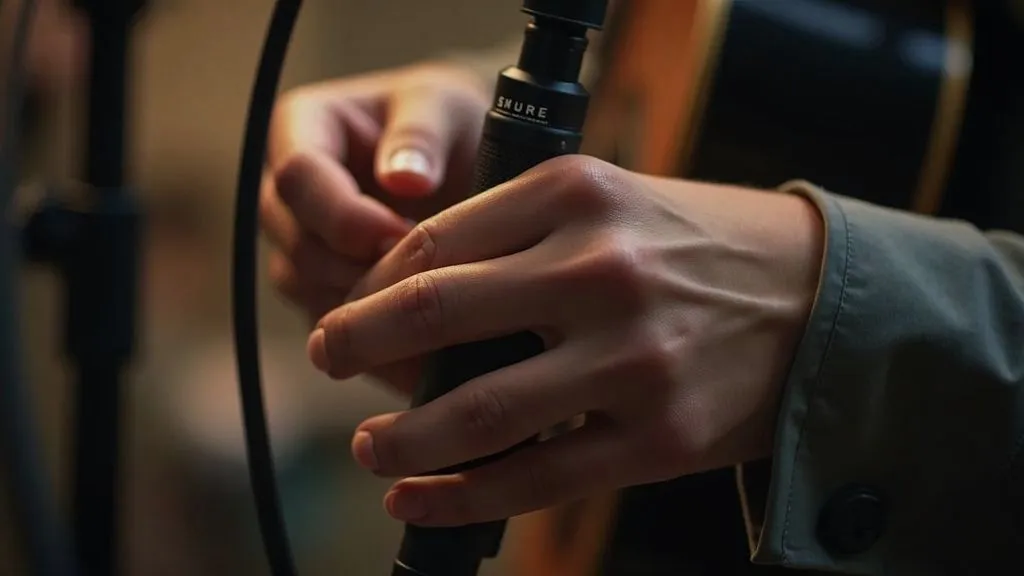
In the realm of music production, the choice of microphone can significantly influence the quality and character of a recording. Among the various options available, the Shure SM58 has long been a popular choice for vocalists in both live performances and studio recordings. This article dives into the notable attributes of the SM58, potential pitfalls such as distortion, and how to achieve the best results when using this legendary microphone.
The Legacy of the Shure SM58
The Shure SM58 is often hailed as the industry standard for vocal microphones. Introduced in the 1960s, its robust design, reliability, and versatility have allowed it to remain a top choice for artists and producers alike. Its cardioid polar pattern effectively rejects background noise, making it particularly useful for live settings, and its tailored frequency response enhances vocal clarity.
Notably, the SM58’s design features a built-in spherical wind and pop filter, helping to reduce unwanted plosive sounds when recording vocals. This attribute is crucial for achieving clean recordings, especially in a studio environment where every nuance matters. For a deeper understanding of its history and specifications, you can refer to Shure’s official page.
The Technical Specifications
Understanding the technical specifications of the SM58 can help producers and engineers optimize its use. The microphone has a frequency response of 50 to 15,000 Hz, which is well-suited for capturing the human voice. Its sensitivity is rated at -54.5 dBV/Pa, and it can handle sound pressure levels (SPL) of up to 150 dB, making it capable of withstanding the loudest vocal performances.
Moreover, the SM58’s dynamic design means that it does not require a power source, allowing for greater flexibility in various recording scenarios. This makes it an ideal choice for musicians who might be working on the go or in less-than-ideal environments.
Common Issues: Distortion and Feedback
While the Shure SM58 is revered for its durability and sound quality, it is not without its challenges. One common problem that producers and engineers encounter is distortion. This can occur if the microphone is placed too close to a sound source, especially when capturing high SPL levels. Distortion not only compromises the clarity of the recording but can also color the overall mix in undesirable ways.
To avoid distortion, proper microphone placement is essential. Generally, positioning the SM58 about 6 to 12 inches from the vocalist’s mouth is recommended. This distance helps to maintain vocal clarity while minimizing the risk of overloading the microphone.
Techniques for Optimal Use
To harness the full potential of the Shure SM58, it is advisable to employ several techniques during recording sessions. Here are some tips to ensure a clean and polished vocal track:
1. Microphone Positioning
The angle and distance of the microphone from the vocalist can greatly affect the sound quality. Aim for a slight downward angle towards the mouth, and keep about 6 to 12 inches of distance. This approach helps capture a balanced tone while minimizing plosives and sibilance.
2. Pop Filters and Windshields
While the SM58 features an internal pop filter, using an additional external pop filter can significantly reduce unwanted plosive sounds. Additionally, using a windshield can further protect against wind noise during outdoor recordings or live performances.
3. Use of Compression
Applying light compression during tracking can help manage dynamics without compromising the natural sound of the vocal performance. This technique allows for peaks to be controlled while filling in quieter phrases, leading to a more balanced overall sound.
4. Gain Staging
Proper gain staging is crucial for avoiding distortion. Ensure that your preamp settings are appropriately adjusted before recording, and utilize the microphone’s internal capabilities to achieve a clean signal.
The Role of Context in Microphone Choice
While the Shure SM58 is an excellent all-around microphone, it is essential to consider the context of the recording. Different genres and vocal styles may benefit from alternative mic choices. For instance, condenser microphones often excel in capturing the subtleties of softer vocal performances, while dynamic mics like the SM58 shine in louder, more energetic settings.
For instance, when recording genres such as rock or pop, where high energy and stage presence are crucial, the SM58’s robust design and feedback rejection characteristics make it a perfect fit. In contrast, more delicate genres such as classical or folk may benefit from the nuanced capture capabilities of a condenser mic.
Conclusion: The Timeless Appeal of the SM58
The Shure SM58 remains a staple in the music industry for good reason. Its combination of durability, versatility, and sound quality has allowed it to withstand the test of time. While it is essential to be aware of potential pitfalls like distortion, following best practices in microphone placement and gain staging can help ensure a successful recording experience.
As music production continues to evolve, the SM58’s legacy is likely to endure, serving as a reliable tool for both aspiring and seasoned professionals. Whether you’re working in a studio or on stage, the SM58 is a microphone that can help bring your vocal performances to life. For more insights on microphone technology and audio production, you can explore resources at Wikipedia or Berkeley College of Music.
In the end, mastering the use of the Shure SM58 not only contributes to the quality of your recordings but also enriches the overall musical experience for both artists and audiences alike.